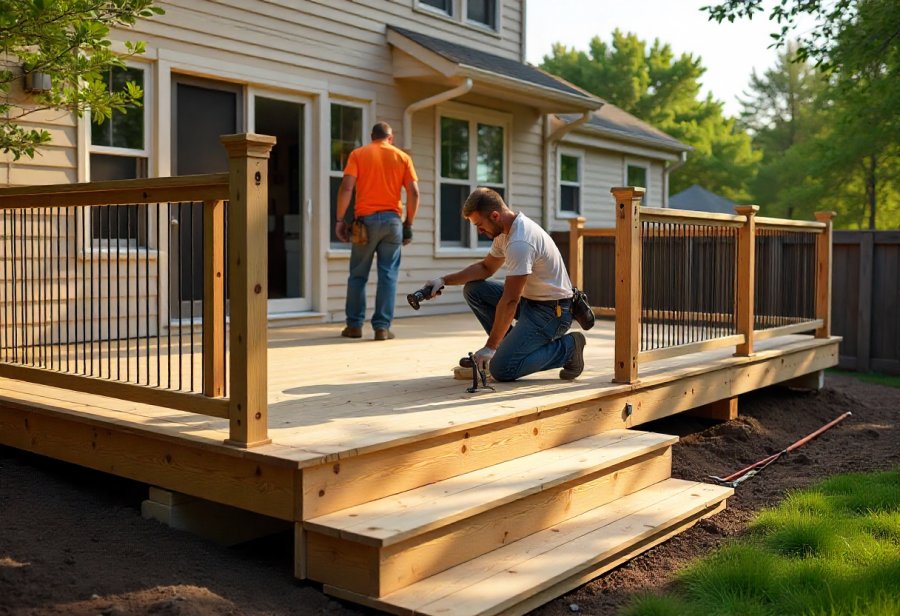
Transforming Toronto yards into captivating outdoor retreats involves balancing aesthetics, sustainability, and personal needs. Can beauty and eco-friendliness truly coexist seamlessly? This guide explores how thoughtful design, resilient plant choices, and eco-conscious hardscapes create vibrant, durable landscapes tailored to Toronto’s unpredictable climate. It emphasizes the importance of zoning for outdoor living, layering textures, and integrating native plants to reduce maintenance while supporting local ecosystems. Maintenance tips highlight the value of simple, consistent practices and sustainable features like rain gardens and smart irrigation. Looking ahead, innovative technologies—solar lighting, modular features, and climate-resilient plants—promise to elevate outdoor spaces further, making them more adaptable and environmentally responsible. As design trends evolve, the challenge remains: how to craft outdoor environments that are both stunning and sustainable for years to come, ensuring each yard becomes a personalized, resilient sanctuary amid the city’s seasonal shifts.
Transform Your Outdoor Space with Toronto Landscape & Design
Looking to elevate your Toronto property’s outdoor aesthetics? Toronto Landscape & Design (TLD) specializes in creating stunning outdoor environments through expert services like natural stone installations, water gardens, irrigation systems, and retaining walls. Our award-winning designers take everything into consideration to craft personalized landscapes that blend beauty and functionality. Whether you’re dreaming of a tranquil water feature or a durable retaining wall, TLD has the expertise to bring your vision to life. Discover the difference a professional backyard makeover can make for your home. For consultations, contact us at [email protected] or call 1.416.644.0499 today and start transforming your outdoor space into a stunning sanctuary.
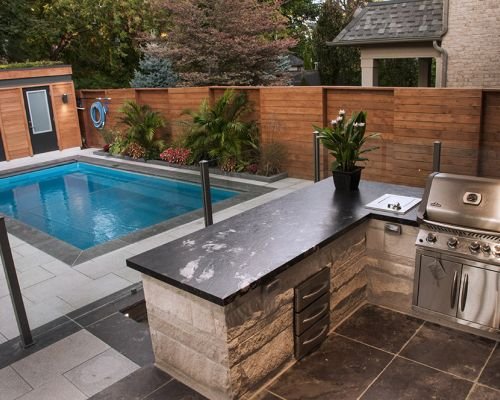
Transform Your Toronto Yard Into a Personal Oasis of Comfort and Style
Transforming Toronto yards into inviting outdoor retreats is about more than just aesthetics—it’s a way to enhance daily living and reflect personal style. In a city where outdoor spaces often serve as extensions of the home, creating a beautiful, functional oasis can dramatically improve your quality of life. Whether you’re dreaming of a cozy corner for reading or a spacious patio for entertaining, a well-planned yard transformation adds both value and comfort, blending practicality with visual appeal.
Achieving this harmony requires understanding Toronto’s unique climate and landscape. Cold winters, humid summers, and unpredictable weather mean selecting the right plants, materials, and features that can withstand local conditions. By focusing on resilience and durability, homeowners can enjoy their outdoor spaces year-round, without constant upkeep. This approach ensures the yard remains vibrant and inviting through every season, turning it into a true retreat that complements the city’s seasonal rhythm.
Designing these outdoor spaces isn’t solely about looks; it’s about supporting how you live outside. Thoughtful zoning—dedicating areas to dining, relaxing, or play—creates a seamless flow that encourages outdoor living. Layered plantings, durable hardscapes, and well-placed lighting help define different zones while adding visual interest. When every element works together, the yard becomes a versatile environment that invites you to unwind, gather, and enjoy the outdoors in comfort and style.
Sustainability plays a crucial role in these transformations. Incorporating native plants reduces water and chemical needs, supporting local ecosystems and lowering maintenance. Eco-friendly features like rain gardens, permeable paving, and organic soil amendments not only enhance the landscape’s beauty but also promote environmental health. When these principles are integrated thoughtfully, they reinforce resilience and ensure the yard continues to thrive amid Toronto’s weather extremes.
Every successful yard transformation begins with a clear understanding of the space and your personal goals. Careful assessment of sunlight, soil, and usage patterns guides the design process, ensuring your outdoor retreat is both beautiful and practical. Clear communication with experts helps turn your vision into reality, making the journey smooth and rewarding. Ultimately, a well-designed yard becomes more than just an attractive space—it’s a personal haven that celebrates the seasons and supports sustainable living.
Master the Art of Landscape Design: Balancing Beauty, Functionality, and Sustainability
Creating a successful landscape design means finding the right balance between beauty, practicality, and environmental responsibility. A well-crafted yard should be visually appealing, inviting people in with lush plantings, eye-catching hardscapes, and warm lighting. But good looks are just the start; the space needs to support how you live outdoors, with zones designated for dining, relaxing, or playing that flow naturally and feel intuitive to navigate.
Functionality is key to transforming aesthetics into a usable outdoor environment. Thoughtfully placed features like seating areas, fire pits, or winding pathways help create a seamless experience, making the yard inviting and versatile. Using a variety of plant heights and textures can define different zones, adding depth and interest while making the space more dynamic and enjoyable.
Durability plays a crucial role, especially in Toronto’s climate. Selecting weather-resistant materials such as stone, brick, or treated wood ensures longevity. These hardscape choices withstand cold winters and humid summers, maintaining their beauty over time. When combined with resilient plants, they form a solid foundation for a landscape that remains attractive and functional year-round.
Sustainability ties everything together by reducing environmental impact and ensuring the landscape’s longevity. Native plants are central—they adapt naturally to Toronto’s conditions, requiring less water, fertilizers, and pesticides. Incorporating eco-friendly materials like recycled stone or sustainably sourced wood not only supports environmental goals but also enhances aesthetic appeal. This approach minimizes ongoing maintenance and promotes a healthier local ecosystem.
Designing with these principles in mind means understanding the specific conditions of each site—sunlight, soil quality, drainage—and aligning these features with your lifestyle. Clear communication with professionals helps translate your vision into reality, ensuring the final result meets expectations. When aesthetic appeal, functionality, and eco-consciousness work in harmony, the yard becomes a true extension of your home—beautiful, practical, and sustainable.
Layering plants of different heights and textures adds visual interest and depth, creating a lush environment that feels both inviting and refined. Dividing the yard into zones for different activities makes outdoor living more convenient and enjoyable. Thoughtful hardscape choices, such as permeable pavers or natural stone, withstand Toronto’s weather while elevating the overall look.
When these core principles are integrated seamlessly, they produce landscapes that aren’t just attractive—they’re resilient and eco-friendly. The goal is to craft outdoor spaces that serve your needs, support the environment, and stand the test of time. This balanced approach ensures your yard remains a vibrant, inspiring retreat, year after year.
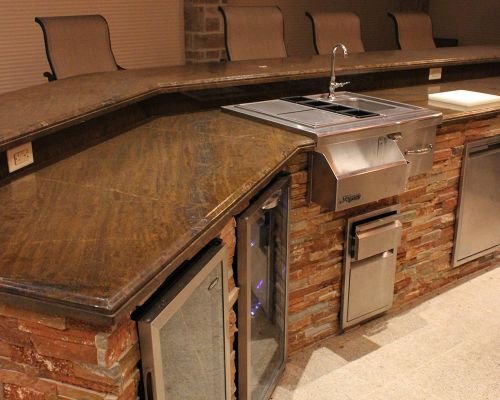
Keep Your Outdoor Retreat Vibrant: Expert Tips for Long-Term Beauty and Eco-Friendly Care
Maintaining the beauty and sustainability of a Toronto yard requires consistent, mindful care. Simple practices like regular pruning help keep plants healthy, encouraging strong growth and preventing disease. Mulching around beds retains moisture, suppresses weeds, and improves soil quality, making ongoing maintenance easier and more effective. Adjusting watering routines seasonally—deep watering during hot summers and minimal watering in winter—ensures plants receive the right amount of moisture without waste, preserving their vitality year-round.
Choosing native, drought-resistant plants significantly reduces the effort needed to keep the landscape thriving. These species are naturally adapted to Toronto’s climate, requiring less water, fertilizers, and chemical treatments. Their resilience against pests and weather extremes means fewer replacements and less intervention, supporting a healthier environment and saving time. Complementing this with composting and organic fertilizers naturally enriches the soil, promoting lush growth without relying on chemicals.
Implementing eco-friendly features like rain gardens and permeable surfaces enhances stormwater management, reducing runoff and water waste. Smart irrigation systems equipped with moisture sensors can respond to real-time weather conditions, preventing overwatering and conserving resources. Solar-powered lighting and energy-efficient fixtures add ambiance while lowering energy consumption, blending sustainability into everyday outdoor enjoyment.
Seasonal upkeep is essential for long-term success. Fall cleanup—removing debris and dead leaves—prevents pests and disease from overwintering. Spring soil amendments with compost set the stage for lush growth, while regular inspections of hardscapes ensure cracks or loose stones are repaired promptly. These routine checks keep the landscape safe, beautiful, and resilient, helping it withstand Toronto’s weather swings with ease.
Fostering a sense of environmental stewardship encourages ongoing care. Simple habits like turning off outdoor lights when not in use or collecting rainwater for irrigation reinforce eco-friendly practices. When maintenance becomes a regular part of your routine, your landscape stays vibrant and healthy for years to come. Combining consistent attention with sustainable innovations ensures your yard remains an inspiring, responsible retreat that supports both your lifestyle and the environment.
From Planning to Perfection: Implementing Innovative and Sustainable Landscape Solutions
Applying design principles effectively starts with paying close attention to the details from the outset. A thorough assessment of the site—understanding its natural features, sunlight exposure, soil conditions, and drainage—is essential to crafting a tailored plan. Collaborating openly with clients early in the process helps clarify their goals and preferences, ensuring that the final design truly reflects their vision. Clear communication about budget and timeline keeps everyone aligned, making the project smoother and more rewarding.
Choosing high-quality materials is crucial for durability, especially given Toronto’s unpredictable weather. Hardscape elements like stone, brick, and treated wood should be selected for their resilience against cold winters and humid summers. Working with experienced local contractors ensures proper installation, which reduces the risk of costly repairs down the line. Incorporating sustainable options—like native plants and eco-friendly hardscapes—not only boosts resilience but also reinforces the landscape’s environmental responsibility.
Looking ahead, integrating smart technology and adaptable features is becoming increasingly important. Automated irrigation systems that respond to weather conditions help conserve water and reduce maintenance efforts. Modular design elements allow homeowners to update or expand their outdoor spaces over time, keeping the landscape fresh and functional as needs evolve. Climate-resilient plants and innovative materials are gaining popularity, offering both beauty and durability in the face of changing environmental conditions.
Staying informed about new products, techniques, and industry standards is vital for successful outdoor spaces. Attending workshops and industry events, exploring emerging materials, and collaborating with eco-conscious suppliers keep designers and homeowners ahead of the curve. Features like green walls, rain harvesting systems, and solar-powered lighting not only enhance aesthetics but also demonstrate a commitment to sustainability. Combining proven principles with innovative solutions creates outdoor environments that are both timeless and forward-thinking.
Execution hinges on a balance of strategic planning and craftsmanship. Prioritizing precise site assessment, quality material selection, and clear communication ensures that each project meets expectations. When the foundation is solid, the final result seamlessly integrates beauty, functionality, and sustainability. This careful approach guarantees that landscapes will serve their owners well, remaining vibrant and resilient over the years.
Designing with future trends in mind means creating flexible, modular spaces that can adapt to changing lifestyles and environmental conditions. Incorporating features like rain gardens, green walls, or expandable patios offers versatility without compromising style. These elements make it easier to refresh or enlarge outdoor retreats as needs grow, ensuring long-term relevance and enjoyment.
In the end, successful landscape implementation is about more than just aesthetics. It’s about building durable, eco-friendly outdoor environments that support both personal comfort and environmental health. Thoughtful planning, innovative technology, and sustainable practices combine to craft yards that are not only beautiful but also capable of withstanding Toronto’s climate and evolving demands. This balanced approach transforms outdoor spaces into lasting retreats—spaces that inspire relaxation, connection, and responsible living for years to come.
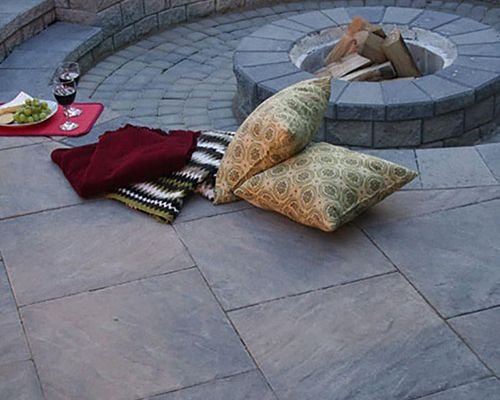
Future-Proof Your Toronto Yard: Embracing Sustainability and Cutting-Edge Design Trends
Looking ahead, Toronto yards are set to embrace a future where sustainability and beauty go hand in hand more seamlessly than ever before. Smart technology will continue to transform outdoor spaces, with automated irrigation systems that respond to weather patterns, reducing water waste and easing maintenance. Solar-powered lighting and energy-efficient fixtures will become standard features, enhancing ambiance while lowering energy consumption. These innovations make it easier for homeowners to maintain lush, eco-friendly landscapes with minimal effort, even as climate patterns grow more unpredictable.
Native plants and climate-resilient species will remain central to sustainable landscaping. Their natural adaptability means less watering, fewer chemicals, and a smaller environmental footprint, supporting local ecosystems and pollinators. As eco-conscious choices become more popular, recycled and locally sourced materials will increasingly define hardscape design, adding durability and unique visual appeal that complements the landscape. These materials promote long-term resilience while aligning with broader environmental goals.
Technology’s role will extend beyond irrigation to include modular, adaptable features that allow yards to evolve over time. Homeowners will find it easier to update or expand outdoor spaces—adding green walls, rain gardens, or new seating areas—without starting from scratch. This flexibility helps outdoor environments stay fresh and functional, accommodating changing needs and tastes. Such features foster a landscape that can grow alongside its owners, maintaining relevance and beauty.
Design trends will also focus on environments that support health and well-being. Pollinator-friendly gardens, natural stormwater management systems, and renewable energy solutions will become standard components, enhancing ecological value and fostering a deeper connection with nature. These practices encourage mindful outdoor living, making the yard a sanctuary for relaxation, wildlife, and environmental stewardship.
Staying ahead means continuous learning and embracing innovation. Attending industry workshops, exploring new materials, and collaborating with eco-conscious suppliers will ensure landscapes remain vibrant, resilient, and aligned with evolving sustainability standards. By blending timeless design principles with emerging solutions, future Toronto yards will serve as models of harmony—spaces that are beautiful, functional, and built to withstand the challenges of a changing climate.