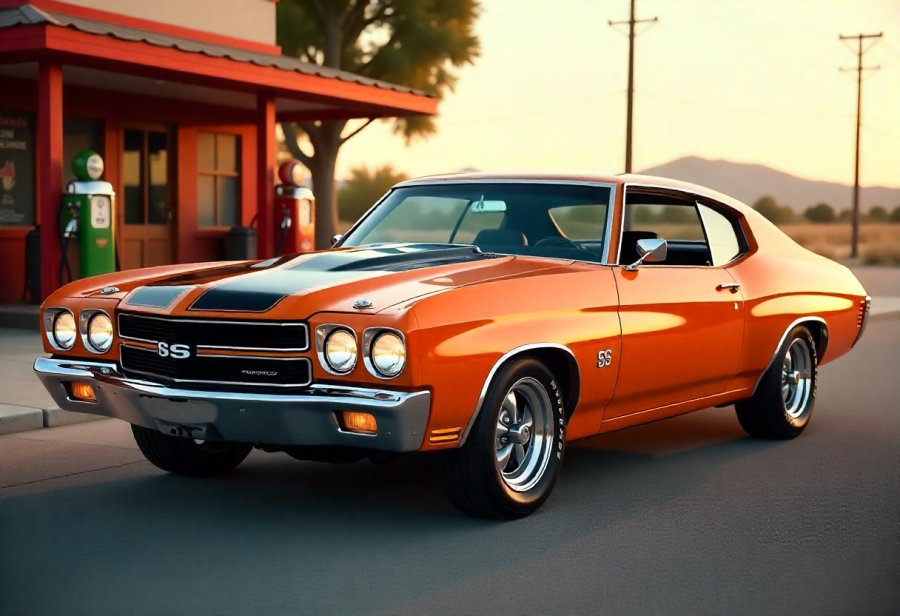
Step into the world of the backyard mechanic—a sanctuary where passion, craftsmanship, and resilience intertwine. This space is more than a garage; it’s a personal refuge where stories of patience, problem-solving, and revival unfold with every turn of the wrench. As vintage cars are restored and old machines awakened, enthusiasts discover more than mechanical skills—they find therapy, confidence, and a deep connection to heritage. How have modern innovations like digital diagnostics, 3D printing, and eco-friendly practices transformed this timeless craft? What stories of transformation and community spirit continue to shape this evolving culture? Beyond the tools and rust, this scene whispers of a resilient tradition, an enduring love for machines, and a future driven by ingenuity and sustainability. Whether fostering personal growth or passing down legacy, the backyard garage remains a powerful symbol of creativity, perseverance, and the timeless craft of restoration.
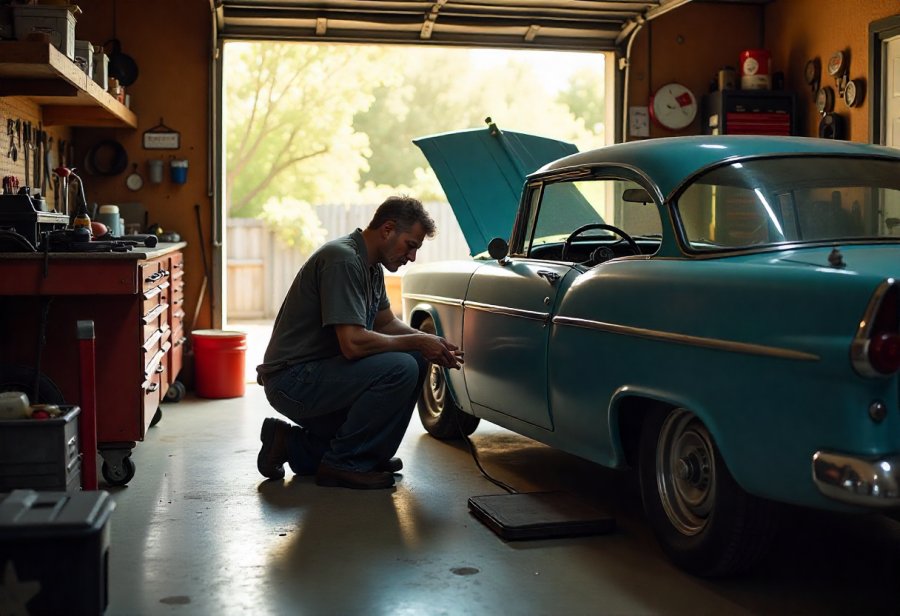
Transform Your Space into a Personal Sanctuary of Passion and Craftsmanship
The backyard mechanic’s garage is more than just a collection of tools and spare parts; it’s a personal sanctuary where passion and craftsmanship take center stage. For many enthusiasts, this space reflects more than a love of cars—it’s a place where identity, patience, and creativity come together. The garage often feels like an extension of oneself, a retreat where focus sharpens and time slows down.
Inside, the environment is alive with stories. The concrete floor bears the marks of years of grease, oil, and effort, each stain a badge of dedication. Pegboard walls neatly display an array of tools, each carefully chosen for a specific task, within arm’s reach. Workbenches are cluttered with manuals, vintage parts, and coffee cups—a lively testament to hours spent tinkering and dreaming.
This isn’t just about fixing vehicles; it’s about nurturing a deep connection to craftsmanship. Whether restoring a classic car to its original glory or customizing a modern ride, every project becomes a form of self-expression. The garage transforms into a workshop of patience and resilience, where troubleshooting problems and making adjustments foster confidence and pride.
The act of working on a machine becomes almost meditative. The rhythmic turn of a wrench, the hum of an engine coming back to life—these are the sounds of a hobby that doubles as therapy. Many find clarity and mental refreshment in this process, turning rust and grease into symbols of revival and achievement.
Beyond the mechanics, the garage is a space for personal growth. Each project teaches skills—wiring, tuning, bodywork—that extend beyond the driveway. It’s a place where perseverance is rewarded, and small wins build momentum. The sense of mastery gained here spills into everyday life, reinforcing the value of patience and detailed work.
The garage also serves as a social hub. Whether sharing tips with neighbors or exchanging ideas online, it fosters a sense of community rooted in shared passion. This space becomes more than a workshop; it’s a gathering point for stories, advice, and camaraderie.
Ultimately, the backyard garage embodies more than just a passion for cars—it’s a reflection of the owner’s dedication, resilience, and love for craftsmanship. It’s a space where time slows, skills grow, and old machines are reborn. Here, rust transforms into revival, and each project becomes a personal story of pride and perseverance.
Unearthing the Roots: How Culture and History Shape Backyard Car Restoration
The roots of backyard mechanic culture run deep, shaped by history, community traditions, and a shared passion for automotive craftsmanship. Before professional restoration shops became commonplace, it was everyday enthusiasts working in their own garages or driveways who kept the spirit alive. Restoring vintage cars wasn’t just a hobby; it was a way to preserve a piece of history, passing down skills and stories through generations. These early efforts reflected a desire to hold onto the craftsmanship and design of earlier eras, with hands-on repairs forging a direct connection between owner and machine.
In many communities, this passion became intertwined with local pride. Regions known for automotive innovation or racing fostered a culture where restoring classic cars was more than just about the vehicle—it symbolized identity and heritage. Garages became personal sanctuaries where enthusiasts celebrated their roots, sharing skills and stories that reinforced a sense of belonging. Over time, these spaces grew into hubs of tradition, where knowledge was passed down and the legacy of automotive engineering endured.
Many backyard mechanics started their journey early, often influenced by family ties or childhood curiosity. Growing up around seasoned mechanics or old garages planted the seeds of fascination with engines, design, and craftsmanship. These early influences transformed into lifelong pursuits, with projects weaving personal history into a broader cultural fabric. Car clubs, local shows, and community events further strengthened these bonds, turning a hobby into a meaningful tradition that crosses generations.
Restoring vintage cars also plays a vital role in heritage preservation. It’s about rescuing history from obscurity and ensuring that the ingenuity and artistry of past automotive eras aren’t lost to time. Each project becomes a proud act of cultural conservation, with cars telling stories of innovation, style, and craftsmanship. These restored vehicles serve as rolling museums, connecting us to an era when design and engineering balanced beauty with function, and each revival becomes a testament to resilience and ingenuity.
Beyond the mechanical work, this culture nurtures community and shared values. Car meets, online forums, and local clubs serve as gathering points where enthusiasts exchange advice, showcase their work, and celebrate milestones together. This collective effort transforms solitary projects into a shared passion, inspiring newcomers and ensuring the tradition continues. These spaces become living testaments to a love for craftsmanship, resilience, and the timeless appeal of vintage automobiles.
In essence, the culture of backyard mechanics and vintage revival projects is about more than fixing old cars. It’s about safeguarding stories, honoring traditions, and building identities that transcend time. These garages act as bridges between generations, blending the craftsmanship of the past with the creativity of the present. They remind us that passion, patience, and a respect for history can turn rusted relics into symbols of pride, resilience, and community—an enduring testament to the human love for machines.
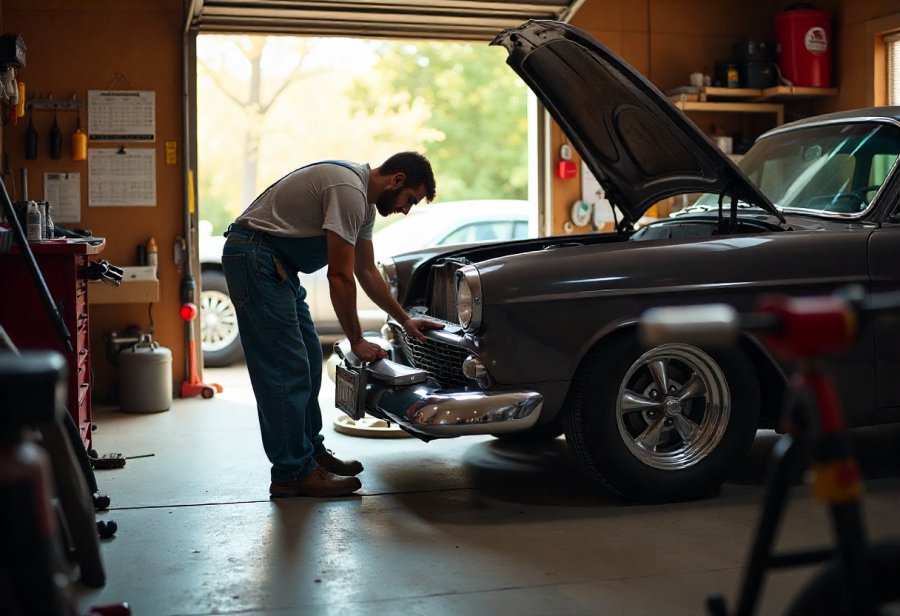
Embracing Innovation: Modern Tools and Tech Revolutionizing DIY Restorations
Modern practices and innovations have transformed backyard car restoration, making it more accessible and engaging than ever before. Today’s DIY enthusiasts benefit from a wide array of advanced tools that streamline complex tasks. Cordless drills, digital torque wrenches, and portable diagnostic devices now enable hobbyists to work with greater precision and speed. For instance, handheld engine scanners can quickly diagnose issues, saving hours of troubleshooting and helping restorers identify problems early. These innovations turn once-daunting repairs into manageable projects, empowering more people to bring their visions to life.
The rise of 3D printing has opened up new creative possibilities. Enthusiasts can produce custom parts or prototypes right in their garages, reducing both wait times and costs associated with sourcing rare vintage components. This technology allows for on-demand manufacturing of replacements or modifications, blending old-school style with modern functionality. It’s especially useful for those working on tight timelines or looking to add unique touches that weren’t easily achievable before, pushing the boundaries of what’s possible in a backyard setting.
Online resources have become invaluable in this new era. Video tutorials, forums, and social media groups provide step-by-step guidance and a platform for sharing insights. Beginners can learn from experienced restorers worldwide, gaining confidence with detailed demonstrations on wiring, engine tuning, or bodywork. This collective knowledge exchange fosters a vibrant community, encouraging continuous learning and innovation. It also helps prevent costly mistakes, making complex repairs more approachable for newcomers.
Sustainable practices are increasingly integrating into backyard restorations. Enthusiasts now opt for biodegradable lubricants, eco-friendly cleaning products, and repurpose scrap metal into art or functional parts. These responsible choices demonstrate that craftsmanship can go hand in hand with environmental awareness. Turning old materials into new creations not only reduces waste but also sparks creativity, inspiring a new wave of restorers committed to greener practices. This shift reflects a broader cultural movement toward sustainability within the hobby.
Behind all these advances lies a focus on accuracy and quality. Precision tools like laser measurement devices and digital calipers help maintain original specifications, preserving vehicle value and authenticity. Augmented reality apps are beginning to overlay repair instructions directly onto real-world projects, guiding users through intricate processes. This blend of traditional skill and modern technology ensures that restorations are both authentic and efficient, elevating the craft while making it more accessible. As these innovations continue to evolve, they promise to keep the backyard restoration scene vibrant, inclusive, and forward-looking.
Real Stories from the Garage: Lessons, Triumphs, and Transformations
Many backyard mechanics have stories that highlight how working on their own projects can be truly transformative. One enthusiast recalls spending months rebuilding a vintage Mustang, facing rusted parts, missing pieces, and setbacks at every turn. Despite the challenges, every small victory—fitting a new carburetor or restoring the interior—brought a deep sense of pride and a feeling that all the effort was worth it. These experiences aren’t just about fixing a car; they become lessons in patience, problem-solving, and resilience that ripple into everyday life.
For others, restoring a classic vehicle becomes a form of therapy. The garage transforms into a focused space where worries fade, replaced by a clear goal and a sense of purpose. Many share how troubleshooting stubborn mechanical issues or customizing their rides boosts confidence and sparks creativity. The act of fixing something old and making it run again turns into a rewarding process that fosters mastery and a feeling of control, especially during tough moments when progress seems slow.
These stories often reveal that the benefits go beyond the mechanical work itself. Completing a project or solving a tricky problem can lift spirits and create a strong sense of accomplishment. Hobbyists frequently mention that these projects help develop practical skills—like tuning engines or wiring electrical systems—that boost their confidence outside the garage. The shared experience of overcoming obstacles with tools, patience, and persistence also helps foster connections, whether within local communities or online forums, turning solitary effort into a collective passion.
The personal stories also highlight how garage restoration can positively impact mental health. The repetitive motions of wrenching, sanding, or polishing serve as a calming rhythm, helping to clear the mind and reduce anxiety. Successfully bringing a vehicle back from neglect reinforces resilience and self-efficacy, showing that persistence pays off. Many enthusiasts find that these projects provide a meaningful escape from digital distractions, offering a hands-on way to recharge mentally.
In the end, these real-world experiences underscore that the garage isn’t just a workspace—it’s a space of growth and resilience. Whether tackling a stubborn mechanical problem or celebrating a project’s completion, enthusiasts discover that the process itself is as valuable as the finished car. These stories reveal how hands-on craftsmanship and perseverance can turn rusted relics into symbols of pride and personal renewal, making the garage a true sanctuary of passion and achievement.
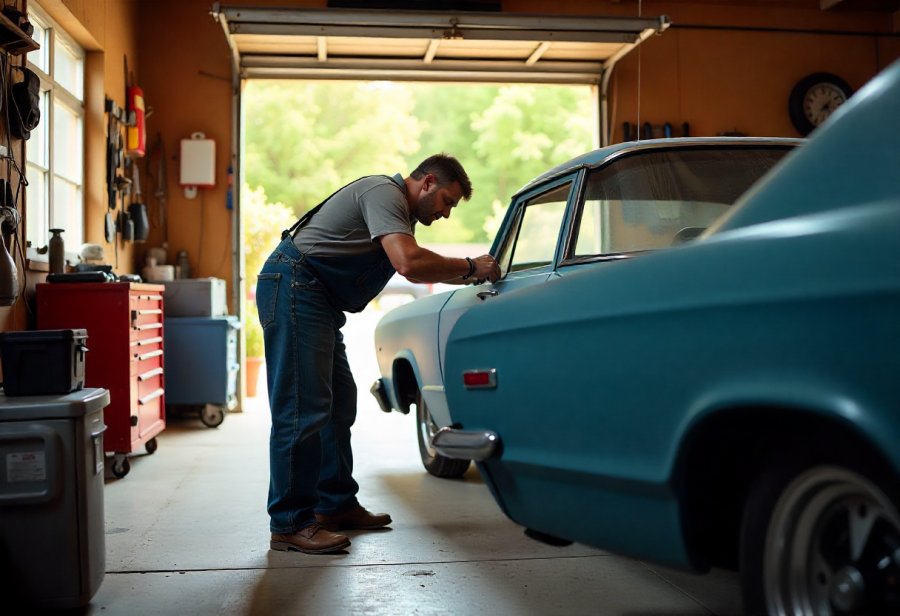
Looking Ahead: Inspiring Trends and the Future of Backyard Car Revival
The future of backyard car restoration is poised for an exciting transformation, driven by technological advancements that make the craft more accessible and creative than ever before. Portable 3D printers, for example, are revolutionizing how enthusiasts produce custom parts on demand, reducing dependency on external suppliers and allowing for a higher degree of personalization. This technology enables restorers to blend vintage aesthetics with modern functionality, pushing the boundaries of what can be achieved within the confines of a home garage.
Simultaneously, digital diagnostic tools are becoming more affordable and user-friendly, empowering backyard mechanics to troubleshoot electrical and engine issues with unprecedented speed and accuracy. Augmented reality apps are beginning to overlay step-by-step repair instructions directly onto real-world projects, guiding even those with limited experience through complex procedures. These innovations not only streamline repairs but also help prevent errors, making advanced restoration techniques more approachable for hobbyists.
A growing focus on sustainability is reshaping the culture of backyard restoration. Enthusiasts are increasingly adopting eco-friendly lubricants, biodegradable cleaning supplies, and repurposing scrap metal into art or functional components. This shift demonstrates that craftsmanship can go hand in hand with environmental responsibility, inspiring a new generation of restorers to consider greener practices without sacrificing quality or creativity. Such efforts highlight that innovation isn’t limited to tools and tech but also encompasses a mindset of mindful preservation.
Community remains central to this evolving scene. Online forums, social media groups, and virtual meetups foster a global network of enthusiasts exchanging ideas, sharing successes, and mentoring newcomers. Local clubs and shows continue to celebrate the craft, reinforcing the bonds of shared passion and tradition. These connections ensure that knowledge and inspiration flow freely, keeping the spirit of vintage revival alive amid rapid technological change.
Looking ahead, these trends promise to make restoration more inclusive and inspiring. Advanced tools and digital guides will lower barriers for newcomers, encouraging more people to dive into the hobby. As the community embraces innovation and sustainability, backyard mechanics will continue to reimagine what’s possible—transforming rusty relics into rolling works of art and personal stories. The garage of the future is not just a workspace but a vibrant hub of creativity, resilience, and legacy, where old machines find new life through passion and ingenuity.