Imagine transforming water-related fears into a sense of freedom at any age—could learning to swim be the key? This inspiring journey reveals how early anxieties—whether childhood nerves or lifelong hesitations—can be gradually replaced with confidence, safety, and joy. Modern instruction emphasizes safety, patience, and personalized progress, utilizing innovative technology like virtual reality and wearable feedback to make learning inclusive and engaging. Historically rooted as a vital survival skill, swimming now symbolizes independence and community across cultures. Today’s evolving approaches focus on building trust in water, turning timid beginners into confident swimmers capable of handling real-life situations with ease. Looking ahead, advancements promise to democratize water safety through accessible, eco-friendly, and technologically integrated programs, ensuring everyone can experience the benefits of water confidence. Isn’t it time to take that first courageous step into the water and unlock a world of possibilities?
Transform Water Fears into Freedom at Any Age
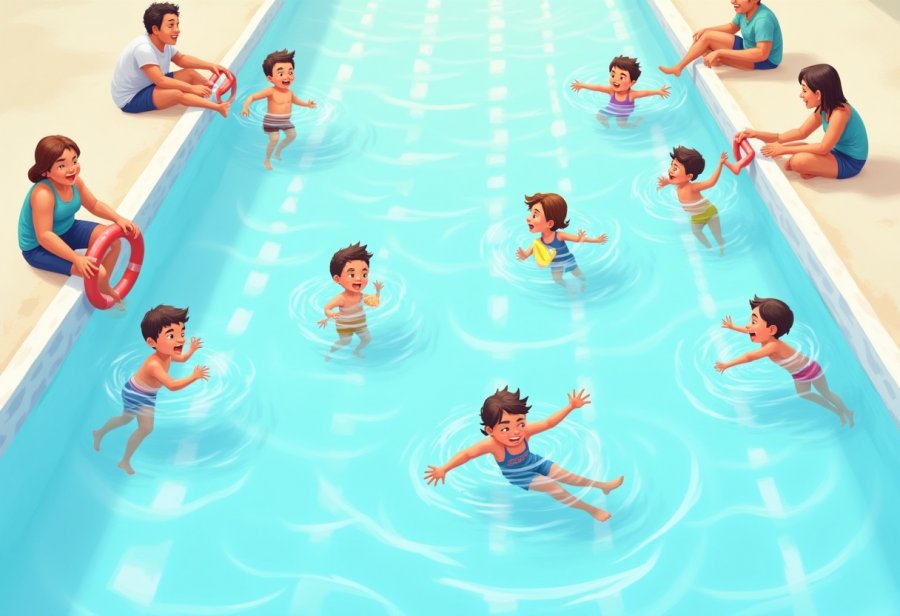
Learning to swim isn’t just about mastering strokes or floating—you’re embarking on a personal journey that can turn water-related fears into a sense of freedom. For many, the water initially feels intimidating—whether it’s childhood nerves, past negative experiences, or simply not knowing what to expect. Taking that first step into the pool can seem daunting, but it’s often the most powerful move you can make. Once you push past those nerves, water becomes a space of opportunity, confidence, and joy.
The process starts small—getting comfortable with water, practicing breathing, and floating. These early moments are crucial because they help build trust in your body and in the water itself. Even just dipping a toe in or holding onto a floatation device can feel like a victory. These tiny wins gradually chip away at fear, paving the way for more confident movements and a better understanding of water safety.
As beginners gain confidence, they start to see water not as a threat but as a safe environment to explore and enjoy. This shift can be transformative, often boosting self-esteem and resilience along the way. Learning to swim becomes less about perfect technique and more about feeling secure and capable in water. The sense of accomplishment that comes with each new skill learned can be empowering, encouraging further progress and fostering a lifelong relationship with water.
Many people face common fears when starting out—embarrassment, losing control, or the fear of drowning. But with patience, gentle guidance, and the right support—like floatation aids and shallow water practice—these fears can be managed effectively. Everyone’s water confidence journey is unique, and persistence often turns initial trepidation into genuine enjoyment.
Ultimately, learning to swim is about more than safety; it’s about opening up a world of possibilities. As confidence grows, so does the ability to participate in water activities, travel to beaches, or simply take a relaxing swim without anxiety. It’s a life-changing skill that can redefine your relationship with water, transforming apprehension into freedom and independence. Starting this journey at any age proves that with the right mindset and support, anyone can learn to love and trust the water.
Tracing the Rich History and Cultural Significance of Swimming
Learning to swim has a long and diverse history that reflects its importance across different cultures and eras. In ancient times, water skills were primarily about survival—fishing, crossing rivers, or escaping danger. Civilizations like Egypt, Greece, and Rome understood early on that water competence was essential, not just for daily life but also for safety and recreation. Over centuries, these skills evolved from practical necessities into social and cultural practices, shaping communities and traditions.
Different regions developed unique approaches to swimming, often shaped by geography and cultural values. Coastal societies and island nations, for example, have long regarded swimming as an essential part of life, passing down traditional techniques and customs through generations. For some cultures, swimming served as a rite of passage or a symbol of independence, especially among youth eager to demonstrate their water skills and bravery. These traditions fostered a sense of community and personal achievement that still resonates today.
As time progressed, formal swimming instruction began to take root. Archaeological finds and ancient texts reveal efforts to teach water safety and self-reliance, especially in areas prone to water-related hazards. By the 19th and early 20th centuries, organizations like the Red Cross emerged to standardize safety protocols and promote accessible water education. These initiatives transformed swimming from a survival skill into a vital part of education and public safety, emphasizing confidence and lifelong enjoyment.
Innovations in teaching methods, combined with safety standards, helped make swimming more accessible and effective. Standardized techniques, certification programs, and lifesaving skills like CPR became integral to modern water education. Public pools and safety campaigns further expanded access, allowing more people to learn in safe environments and reducing drowning incidents. These milestones have established a foundation that continues to support inclusive, comprehensive swimming programs worldwide.
Throughout history, influential figures and organizations have championed water safety and swimming skills. Pioneers in instruction and groups like the American Red Cross have worked tirelessly to promote water confidence across communities. Their efforts helped normalize swimming as both a critical safety skill and a popular sport, fostering a global culture of water awareness and responsibility. This legacy of innovation and dedication continues to influence how we teach and learn to swim today.
Across cultures, swimming has taken on many meanings—from a vital survival skill to a symbol of freedom and independence. In some societies, it’s woven into daily routines, spiritual practices, or community bonding. Despite the differences, the universal importance of water skills unites us, creating shared values around safety, confidence, and enjoyment. This rich history underscores that learning to swim is more than a skill—it’s a bridge across cultures, connecting us through the essential experience of water.
Modern Methods and Mindsets Shaping Today’s Swim Lessons
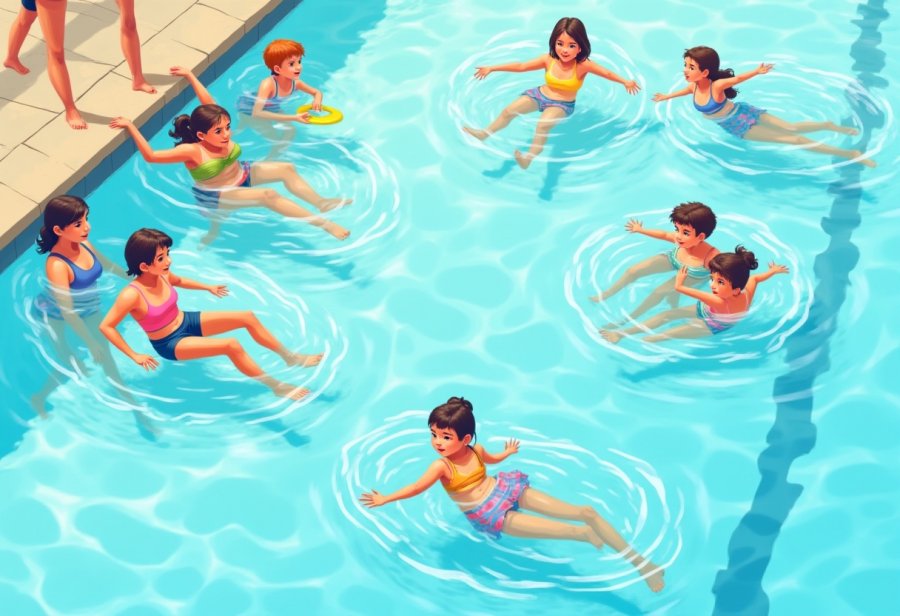
Today’s approach to learning to swim centers on safety, gradual skill-building, and fostering confidence in the water. Most programs begin with simple exercises like blowing bubbles, floating, and submerging, which help beginners become comfortable with water without feeling overwhelmed. These foundational steps are essential for creating trust in oneself and in the water, making subsequent progress smoother and more natural.
Lessons are delivered through a mix of group classes, private coaching, and digital resources, offering flexibility to suit different learning styles and schedules. Instructors adapt their teaching methods to individual needs, recognizing that everyone progresses at their own pace. As confidence develops, students learn strokes, breathing techniques, and endurance within supportive environments that emphasize patience and encouragement.
Safety remains at the core of modern swimming instruction. Instructors prioritize constant supervision, clear communication, and the use of floatation aids when necessary to prevent accidents. This focus on safety helps learners explore their abilities without fear, ensuring that technical skills are paired with an understanding of water safety rules and rescue techniques that could be lifesaving in emergencies.
Recent innovations have integrated technology to enhance the learning experience. Video analysis, virtual coaching apps, and wearable devices provide real-time feedback on technique and progress, making improvements tangible and motivating learners to push forward. Many programs also emphasize inclusivity, creating adaptive lessons for people with disabilities or special needs to ensure that water safety and confidence are accessible to everyone.
The progression in today’s swim lessons is designed to be steady and enjoyable. As students gain comfort, they gradually take on more challenging skills, such as swimming longer distances or mastering different strokes, all without pressure. This step-by-step approach helps reduce anxiety and build a positive attitude toward water, making the journey both effective and fun.
Organizations like the American Red Cross and the Royal Life Saving Society set high standards for instruction worldwide. They develop certification programs and safety protocols that ensure instructors teach with care and consistency. Their ongoing efforts aim to make swimming a universal skill, promoting safety, enjoyment, and lifelong participation in water activities.
Overall, current swim education emphasizes a balanced blend of safety, personalized progress, and technological support. This approach not only helps individuals develop essential water skills but also encourages a lifelong love of water, confidence, and resilience—making swimming accessible, enjoyable, and safe for everyone.
Turning Water Skills into Lifelong Safety and Joy
Being able to apply swimming skills in daily life makes a real difference when it comes to safety and confidence. Whether it’s a casual trip to the beach, relaxing by the pool, or helping someone in trouble, knowing how to swim can turn potentially stressful situations into manageable ones. When you’re comfortable in water, you’re less likely to panic if you fall in unexpectedly, and you can move confidently to safety or assist others if needed. These skills don’t just prevent accidents—they also open up opportunities to enjoy water activities without worry.
For many, the ability to float, tread water, or swim short distances offers peace of mind. It allows you to handle surprises calmly, like slipping into a shallow pool or encountering a sudden current at the beach. This confidence can be life-saving in emergencies, where quick, composed action is essential. When you know you can stay afloat or swim to safety, anxiety around water decreases, making the experience more enjoyable and less intimidating.
Stories from those who’ve faced water fears highlight how vital these skills are. Sarah, who once avoided water entirely, now swims comfortably in lakes and pools, feeling secure in her abilities. James, after years of hesitation, learned to swim later in life and now volunteers in water safety programs. Their journeys show that with persistence and proper guidance, water fears can transform into a lifelong passion and practical safety skills.
Starting with simple practices like floating or using beginner-friendly floatation aids builds trust in the water. Regular exposure in safe, shallow environments reinforces these skills and boosts confidence. Community pools and local classes provide accessible spaces for gradual progress, where small successes gradually erase doubts and strengthen your ability to handle water situations with calm and control.
Beyond safety, swimming skills significantly expand recreational options. Being able to swim comfortably allows participation in family trips, beach outings, or water sports without hesitation. It turns water from a source of anxiety into a space of joy and freedom. Whether helping a loved one, enjoying spontaneous swims, or simply feeling more at ease around water, these abilities foster independence and open doors to new experiences.
Developing water confidence is a journey from hesitation to empowerment. Each new skill builds a foundation of safety and enjoyment, making water environments less intimidating and more inviting. Applying your skills in real situations not only protects you but also enhances your quality of life, encouraging you to explore and connect with water in meaningful ways.
This practical application of water skills creates a ripple effect—boosting safety, broadening recreational horizons, and fostering a mindset of resilience. It transforms water from a potential threat into a trusted environment where you can relax and have fun. The confidence gained through real-life practice becomes a lifelong asset, enriching your experiences and ensuring you can handle water with ease whenever needed.
Innovating and Evolving Toward a Safer, More Inclusive Future of Swimming
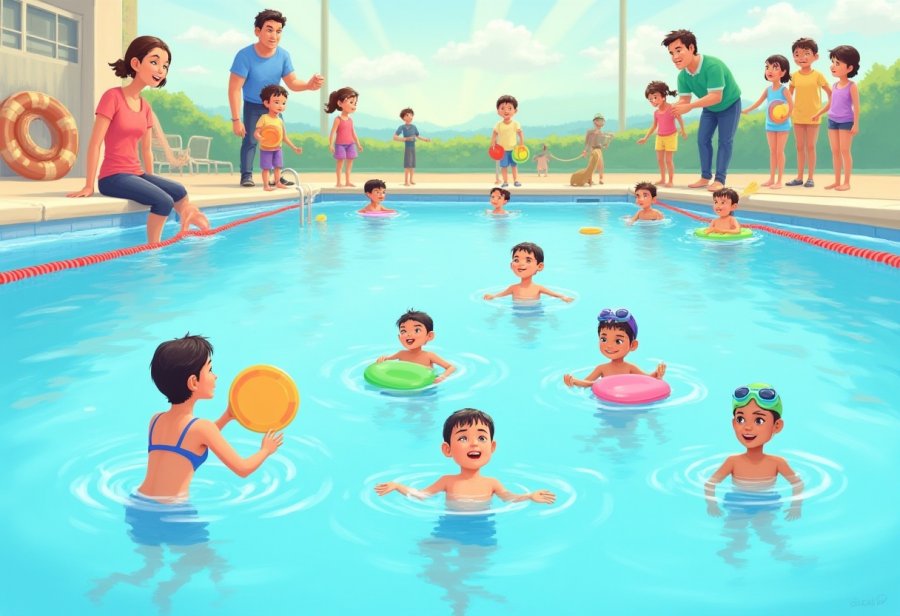
Looking ahead, swimming education is on the brink of exciting transformations driven by technology and a stronger focus on inclusivity. Virtual reality and augmented reality are starting to offer immersive, lifelike training experiences that help learners practice water skills in simulated environments before stepping into the pool. These tools can reduce anxiety for beginners, making initial lessons less intimidating and boosting confidence from the outset. Wearable devices and smartphone apps are also becoming common, providing real-time feedback on technique and progress, which keeps learners motivated and helps them see tangible improvements.
Inclusivity is increasingly at the forefront of water safety efforts. Adaptive programs tailored for people with disabilities or special needs are expanding, ensuring that everyone has access to water confidence and safety skills. These initiatives help break down barriers that have historically limited participation, making water education more equitable. As awareness grows, more organizations are investing in outreach and affordable programs, particularly in underserved communities, to promote widespread access. This shift not only saves lives but also fosters a culture where water confidence is a universal right.
Environmental concerns are shaping the future of swimming facilities as well. Eco-friendly pools utilizing sustainable water management and energy-efficient technology are gaining popularity. These innovations reduce ecological footprints and operational costs, making swimming more accessible and sustainable in the long run. Integrating sustainability into water safety and learning underscores a broader commitment to caring for our planet while promoting healthy, active lifestyles.
Instructors will play a key role in this evolving landscape. Staying current with emerging technologies like virtual coaching, artificial intelligence, and adaptive teaching methods will be vital. Continuous professional development ensures they can effectively incorporate these tools into their lessons, maintaining high standards and meeting diverse learner needs. This adaptability keeps swim instruction relevant, engaging, and effective as new innovations emerge.
These advancements are set to lower water-related accidents significantly by expanding access and improving safety education. More people will develop water confidence through personalized, engaging learning experiences, creating safer, more resilient communities. As water skills become more widespread, a global culture of responsibility and enjoyment will flourish, making water environments safer and more welcoming for everyone.
For individuals, embracing these innovations means exploring new ways to learn and grow in water. Virtual reality programs, wearable feedback devices, and inclusive programs offer accessible paths to confidence and safety. For instructors, integrating these tools will be essential to providing top-quality, inclusive instruction. The future of swimming education is about continuous growth, ensuring everyone can experience water confidently, safely, and joyfully—turning fears into lifelong skills that enrich lives for years to come.