Underground street racing is more than a high-speed adrenaline rush; it’s a clandestine world built on loyalty, rebellion, and deep brotherhood that transcends mere competition. As racers gather in shadowed, illicit settings, they forge bonds rooted in shared risks, secrets, and rituals—transforming fleeting moments of danger into lifelong connections. These crews develop symbols, codes, and traditions that reinforce their identity and loyalty, turning the streets into sacred spaces of trust and defiance. Stories of survival, late-night tuning, and mutual support reveal a culture where friendship and resilience are as vital as speed itself. As technology evolves, so does the scene—adapting through digital communication and semi-legal events to preserve their core values amid increasing challenges. What once was a rebellious act becomes a resilient community, united by unbreakable bonds built in shadows—raising the question: can this brotherhood endure the pressures of a changing world while preserving its rebellious spirit?
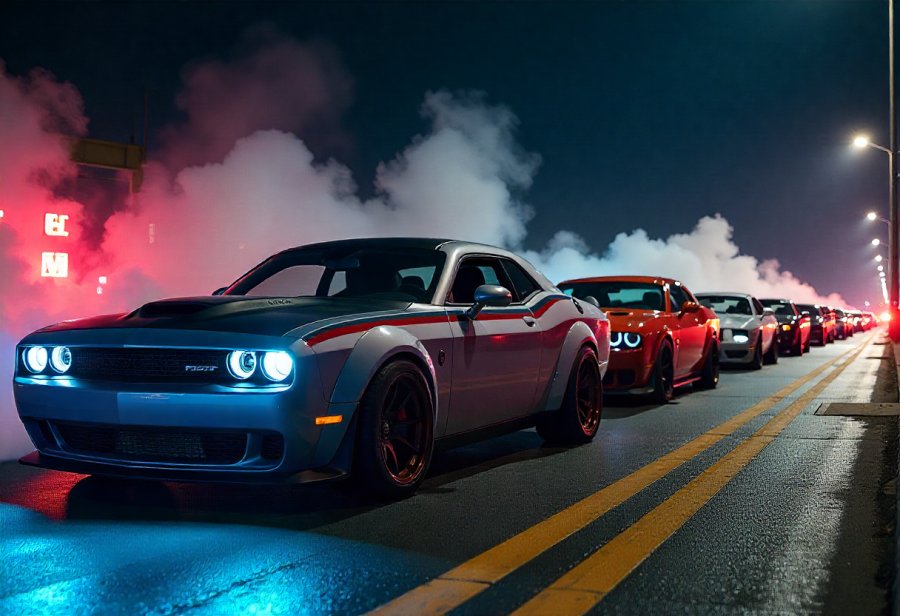
Secrets of Underground Street Racing: A Culture of Rebellion and Loyalty
Underground street racing isn’t just about the rush of speed; it’s a scene built on secrecy, rebellion, and a shared passion for cars that often runs counter to mainstream norms. It takes place late at night, away from the watchful eyes of law enforcement, in hidden spots like deserted industrial areas, quiet neighborhoods, or abandoned parking lots. Here, drivers gather in the shadows, ready to push their machines to the limit in a high-stakes game of skill, trust, and daring. The thrill isn’t only from racing—it’s from doing something illicit, a personal act of defiance against societal expectations.
This underground culture has grown into more than just a pastime; it’s a tightly knit community rooted in loyalty and camaraderie. Participants form crews that share secrets about modifications, tactics, and strategies to gain an edge. These bonds develop over late-night conversations, shared risks, and countless moments of trust during dangerous races. It’s a space where speed and passion override rules and regulations, turning city streets into a canvas for self-expression and rebellion.
Over time, these informal gatherings evolved into organized, yet still clandestine, competitions. Crews adopted symbols, signals, and rituals that helped reinforce their identity and loyalty. Whether through unique hand gestures, custom paint jobs, or secret codes, they created a language that only insiders understand. This sense of belonging fuels their exclusivity and deepens the bonds among members, making the scene more than just racing—it’s a brotherhood built on shared risks, respect, and collective pride.
The roots of street racing stretch back to a time when enthusiasts would meet privately to test their cars and skills in relaxed settings. As the scene grew, these meetups turned into organized efforts to compete and establish reputations. Crews protected their turf from rivals, forging rivalries that pushed everyone to improve. This evolution from casual gatherings to a subculture cemented loyalty and respect as core values, shaping a community where trust and identity are everything.
For many drivers, the streets symbolize independence and resistance. Car modifications often reflect personality and skill, acting as badges of identity. The scene fosters a sense of self-assertion, where pushing beyond societal constraints becomes a form of rebellion. More than just races, it’s about forging lifelong bonds—trust, loyalty, and mutual support—that turn fleeting moments of adrenaline into relationships that last a lifetime.
From Casual Meetups to Organized Crews: The Evolution of Street Racing Brotherhoods
Street racing crews didn’t just appear overnight; they grew from small groups of friends united by a shared passion for cars and speed. Initially, these gatherings were informal, taking place in quiet neighborhoods, parking lots, or abandoned lots where racers could push their machines without attracting attention. As their skills improved and reputations spread, these casual meetups became more organized, with routines and rituals that marked their growing identity. Loyalty quickly emerged as a core value, with members protecting each other during races and sharing secret modifications and tactics to stay ahead of rivals.
Over time, these groups developed unique symbols, signals, and codes that reinforced their bonds. Some adopted specific hand gestures, secret greetings, or distinctive paint jobs, turning these symbols into badges of loyalty. These markers made it clear who belonged to a crew and who was an outsider, creating a sense of belonging that went beyond just racing. As crews grew larger, their structure became more defined—hierarchies emerged, with experienced racers mentoring newcomers and passing down traditions that kept the culture alive.
The shift from loose associations to organized crews was driven by a desire to push limits and prove skills. Many viewed their groups as acts of rebellion against societal norms or authority, using racing as a form of defiance. Protecting turf from rival crews became a shared goal, fueling rivalries that pushed everyone to improve and innovate. These conflicts often strengthened bonds within crews, as members relied on each other during high-stakes situations and rallied around their reputation.
Mentorship played a vital role in the evolution of these brotherhoods. Veteran racers shared insider knowledge, helped newcomers refine their skills, and upheld traditions that fostered a sense of continuity. These relationships deepened the feeling of belonging, turning racing crews into families bonded by late-night runs, secret rituals, and mutual support. Each group cultivated its own identity through customs, symbols, and stories that were passed down through generations, reinforcing loyalty and cohesion.
This natural progression from informal meetups to structured brotherhoods reflects a fundamental human need for connection and recognition. Crews became more than just racing teams—they became communities, offering a sense of purpose, identity, and resilience. Their shared experiences—surviving risky situations, defending turf, or celebrating victories—created lifelong bonds rooted in trust and mutual respect.
Today, these traditions continue to shape the scene, even as external pressures from law enforcement and urban development challenge their existence. Many crews adapt by finding safer spaces to race or organizing semi-legal events that still honor their core values. Despite these changes, the essence of loyalty, brotherhood, and shared risk remains strong, fueling a culture that’s built to endure. The bonds forged in shadows, in moments of adrenaline and trust, turn fleeting races into enduring relationships—proof that underground street racing is as much about community as it is about speed.
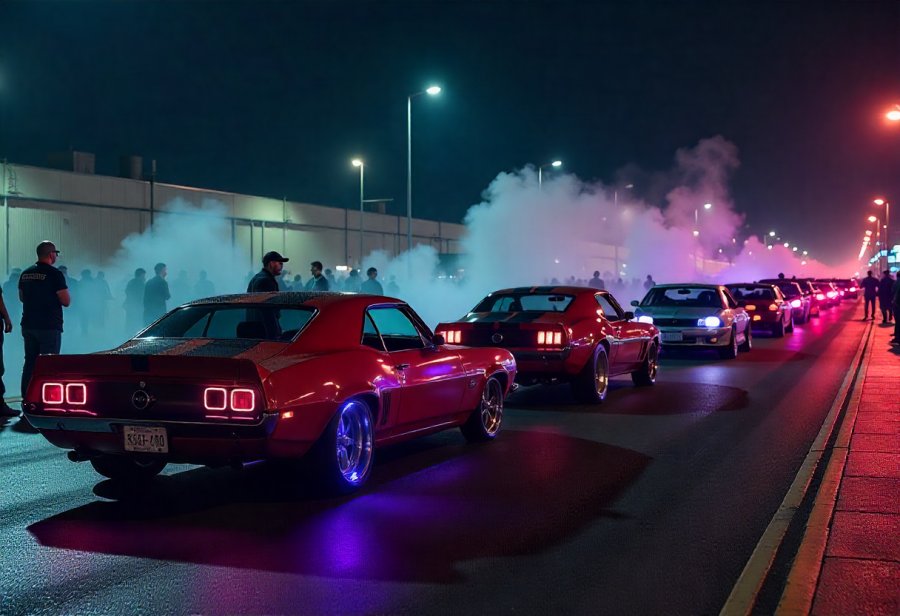
Night Races and Shadows: Building Bonds in the Darkness
Late-night street races serve as the heartbeat of underground brotherhoods, forging bonds that run deep beyond the thrill of speed. The darkness and quiet of the city create an environment of trust and secrecy, where racers feel like they’re part of something sacred—an unspoken ritual shared among those who understand the stakes. Under the cover of night, the streets become a realm where loyalty is tested and reinforced, and every race feels like a collective act of defiance and unity.
During these nocturnal runs, communication is often subtle and instinctive. Hand signals, quick glances, or nods convey readiness, warnings, or encouragement—each gesture strengthening their shared language. Rituals like pre-race chants or specific greetings further embed their collective identity, turning routine moments into symbols of loyalty. Every detail—the way crews gather, the cheers, the quiet trust—cements their connection, transforming racing from a solitary act into a communal experience rooted in shared purpose.
Facing danger together is at the core of these night races. Whether executing daring maneuvers or avoiding law enforcement, each challenge tests their resilience and mutual trust. When things go wrong, the crew’s support is immediate—helping each other out of tight spots or working through the night to repair damaged cars. These moments of shared risk and recovery deepen their brotherhood, turning fleeting adrenaline into lifelong bonds built on reliance and respect.
The nighttime setting adds a spiritual dimension to their bonds. The shadows and silence create a sacred space where confidence, respect, and trust are renewed with each race. Over time, these unspoken understandings become part of their identity, turning the street into a space where loyalty is etched into their very DNA. Their connections grow stronger through rituals, symbols, and customs—badges of allegiance that make recognition instant and reinforce their collective bond, even in high-stakes moments.
Every shared experience—surviving risky situations, working late on cars, defending turf—becomes a thread in the fabric of their brotherhood. These stories aren’t just about speed; they’re about forging lifelong relationships rooted in trust, mutual support, and resilience. The shadows of night reveal the true essence of their bond: a tight-knit family that stands united, driven by a shared passion that transcends the asphalt and turns fleeting races into enduring connections.
Stories of Trust and Resilience: Real Life Tales of Brotherhood
Many stories from underground racers reveal how their bonds extend far beyond the thrill of speed. One driver recalls a late-night race where he pushed his car to its limits and nearly lost control on a sharp turn. Instead of panicking, his crew was waiting at the finish line, ready to support him no matter the outcome. That shared moment of danger and the crew’s unwavering backing strengthened their trust and deepened their brotherhood. These experiences—surviving risky situations, staying up late tuning cars, or defending turf from rivals—become the glue that turns acquaintances into family.
Another story highlights a crew member who, during a high-stakes street race, managed a risky maneuver but ended up losing control. His crew didn’t abandon him; they rushed to his side, pulling him out just before police sirens sounded nearby. That night, loyalty was tested and reaffirmed. It wasn’t just about winning; it was about trusting each other enough to face danger together. These moments forge bonds that last a lifetime, rooted in shared risks and mutual support.
Long nights working on cars are also part of the fabric of their brotherhood. One racer describes staying up until dawn with his crew, wrenching on a broken engine after a failed race, sharing laughs and frustrations. These late-night efforts aren’t just about fixing cars—they’re about building trust and friendship, creating a collective sense of purpose. The shared effort fosters a feeling of belonging to something bigger than individual rides, turning mechanics into moments of connection.
Loyalty within these crews extends into everyday life. Many racers say that knowing their crew has their back encourages them to push limits safely, trusting that support is always nearby. This sense of responsibility and mutual respect nurtures relationships that endure beyond the street. Mentors and newcomers share stories, advice, and life lessons, reinforcing a culture where loyalty isn’t just about racing—it’s about creating a community rooted in trust and shared resilience.
These personal stories reveal that underground racing is more than a pursuit of adrenaline; it’s a powerful network of relationships built on trust, shared risks, and unwavering support. Facing danger side by side, sharing secrets, and celebrating victories—these experiences shape lifelong bonds. The brotherhood forged in shadows, in moments of adrenaline and vulnerability, transforms fleeting races into enduring relationships that define the true spirit of this underground community.
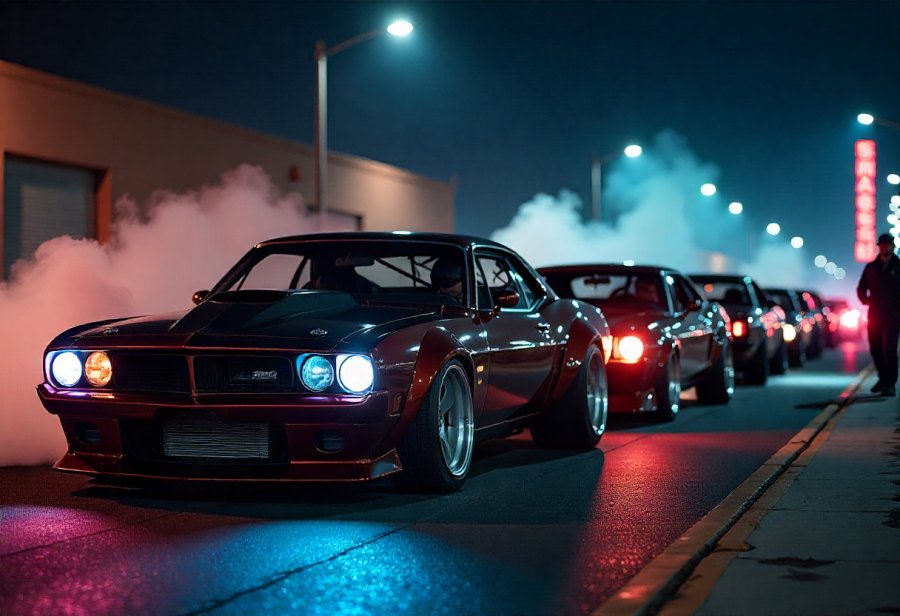
The Future of Underground Racing: Adapting, Innovating, and Enduring
The future of underground street racing brotherhoods is a landscape of both challenge and adaptation. As technology continues to evolve rapidly, racers are turning to digital tools like social media, encrypted messaging apps, and sophisticated vehicle diagnostics to organize and communicate more discreetly. These innovations help crews stay connected amid increasing law enforcement crackdowns and urban development, ensuring their bonds remain strong despite external pressures. Yet, even as their methods change, the core values of loyalty, trust, and brotherhood remain deeply rooted, acting as the foundation that sustains their culture through shifting times.
Many crews are finding ways to balance their underground roots with more responsible practices. Some are organizing semi-legal events or participating in sanctioned gatherings that respect community safety while allowing them to pursue their passion. These spaces—whether in designated parking lots or private tracks—serve as modern hubs where their traditions can thrive without the constant threat of legal consequences. This shift not only preserves their rituals but also helps legitimize their community, ensuring that their sense of kinship endures even as the scene evolves.
Emerging technologies like GPS tracking, real-time communication, and advanced vehicle tuning tools are reshaping how crews operate. Sharing tips, strategies, and modifications online fosters a digital sense of community that connects generations of racers. However, social media’s reach can also attract unwanted attention from authorities, prompting crews to develop more secretive ways to organize and share their culture. This cat-and-mouse game underscores their resilience—adapting swiftly to safeguard both their bonds and their clandestine activities.
Despite these hurdles, the essence of their brotherhood remains intact. Loyalty and mutual support are too ingrained to be easily broken, even as external threats grow. Many see these challenges as opportunities to innovate, finding safer ways to race and support each other without losing the rebellious spirit that defines their culture. Their shared history of late-night runs, rituals, and trust continues to fuel a resilient community, thriving in shadows but always connected by unbreakable bonds.
Looking ahead, underground street racing will likely become a hybrid scene—where clandestine passion coexists with more organized, community-minded events. Some crews may formalize their activities, blending adrenaline-fueled nights with efforts to improve safety and legality. Others will cling to secrecy, driven by the need for connection and the thrill of pushing limits. What remains unchanged is the deep-rooted desire for brotherhood—fueled by shared risks, loyalty, and the unbreakable trust that keeps this culture alive. Their bonds, forged in shadows and adrenaline, will continue to adapt but never fade, ensuring that the spirit of underground racing endures for generations to come.