In a digital age dominated by screens and hurried routines, could tending a garden together be the key to unlocking deeper bonds and fostering healing? This compelling exploration reveals how working side-by-side in nature’s embrace transforms simple acts like planting and watering into powerful rituals of connection. Gardening offers more than lush blooms and bountiful harvests; it cultivates patience, trust, and emotional resilience—benefits amplified through shared effort. These outdoor endeavors nurture communication, reduce stress, and create safe spaces for vulnerability, making relationships flourish in ways words often cannot. The sensory experiences—feeling soil, smelling blossoms, witnessing growth—ground us emotionally and promote mindfulness. Could such a modest activity be the antidote to disconnection in our tech-saturated world? The answer lies in the quiet strength of tending life together, proving that genuine healing and lasting bonds grow from patience, presence, and care—one seed at a time.
Deepening Bonds Through Shared Gardening
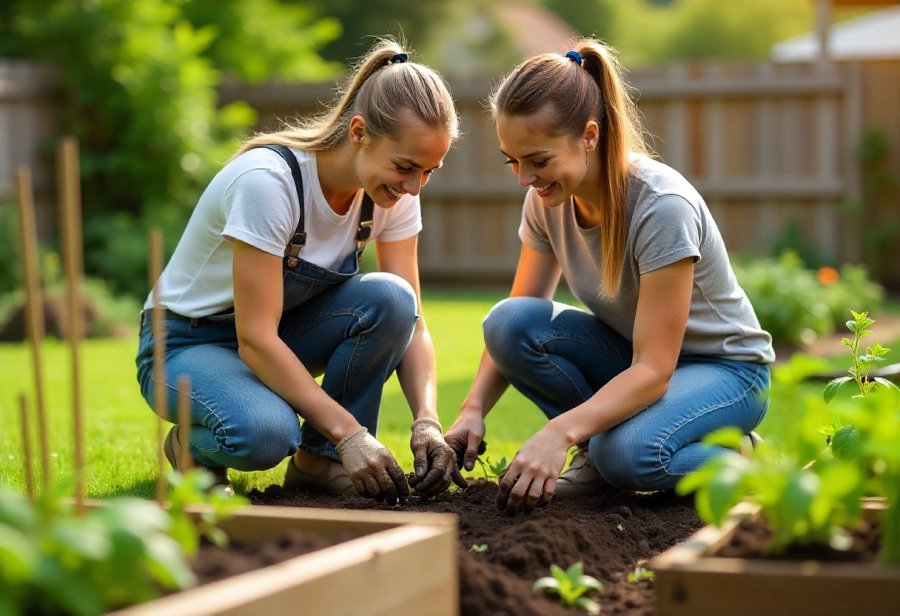
Tending a garden together goes beyond planting flowers or vegetables; it creates a space where emotional bonds can grow naturally. In our busy, tech-driven world, many of us feel disconnected from those around us, often lost behind screens or caught in hurried routines. Gardening offers a simple yet powerful way to step outside that digital noise and reconnect through shared effort and presence. When people work side-by-side in the soil, conversations happen more easily, trust builds, and relationships deepen without force or pretense.
The act of caring for plants together isn’t just about the end result—it’s about the process. Planting, watering, and pruning are repetitive, mindful tasks that require patience and attention. These routines serve as gentle therapy, helping us slow down and focus on something real and alive. As hands dig into soil and senses engage with nature, feelings of stress and anxiety tend to fade, replaced by a sense of calm and purpose.
Working in a garden fosters teamwork and mutual support, especially among loved ones. Watching plants grow under shared effort becomes a metaphor for nurturing relationships—both require care, patience, and time. The garden becomes a space where communication flows more naturally, and emotional openness can emerge alongside physical growth. This shared activity helps bridge gaps that digital interactions often leave unfilled, creating moments of genuine connection.
The sensory aspects of gardening—feeling soil, smelling fragrant blooms, witnessing vibrant growth—amplify these benefits. These experiences ground us emotionally and encourage mindfulness, making it easier to express feelings and be present with one another. Over time, tending to a garden becomes a practice in resilience and patience—qualities that strengthen bonds as both plants and relationships flourish.
In essence, gardening together offers a simple but profound way to nurture deeper connections. It reminds us that growth takes time and effort, and that healing often happens outside, in the natural world. As we turn soil and nurture life, we also nurture ourselves and each other, planting seeds of trust and understanding that can blossom into lasting bonds.
Healing in the Heart of the Garden
Gardening has a powerful ability to promote healing and emotional well-being. When we immerse ourselves in caring for plants and working with soil, it naturally shifts our focus away from worries and into the present moment. The repetitive actions of planting, watering, and pruning create a calming rhythm that encourages mindfulness, helping us relax and let go of tension. Numerous studies show that spending time in green spaces lowers cortisol levels—the hormone linked to stress—and boosts feelings of calm and happiness.
Being outdoors and engaging with nature also lifts our mood and builds emotional resilience. The sights, smells, and textures of a garden stimulate our senses in a soothing way, helping to regulate emotions and reduce anxiety or depression. For many, tending to plants becomes a gentle form of therapy, providing a safe space to process feelings and find clarity amid life’s chaos. The act of nurturing something alive offers a sense of purpose and achievement, especially during difficult periods.
Sharing gardening activities amplifies these therapeutic effects. Working alongside others in the garden fosters a sense of connection and mutual support. As plants flourish under collective effort, feelings of teamwork and trust develop naturally. These moments of collaboration turn gardening into a ritual of care that strengthens emotional resilience and deepens bonds. It’s a reminder that caring for life—plants or relationships—requires patience, attention, and consistent effort.
The sensory experience involved in gardening plays a key role in emotional regulation. Feeling soil between your fingers, inhaling the fragrant scent of blooms, and witnessing vibrant growth all ground us in the present. This sensory engagement quiets the mind and fosters a sense of calm. It’s akin to meditation, where focused attention on tending plants creates a peaceful space for reflection and emotional recharge.
Gardening also teaches resilience. Watching a plant recover from setbacks or thrive after neglect is a lesson in patience and hope. These experiences translate into everyday life, helping us bounce back from emotional setbacks with greater strength. The process of caring for a garden becomes a metaphor for healing—growth takes time, but persistent effort yields rewarding results. Overall, the therapeutic power of gardening is accessible and profound, offering a natural way to regulate emotions, reduce stress, and foster calm.
When shared with others, gardening’s benefits multiply, helping to build emotional strength and deepen relationships. It provides a gentle, ongoing reminder that healing and connection often flourish through patience, care, and presence. In a world filled with distractions and digital noise, tending a garden becomes a simple act of self-care and mutual support—grounding us in the here and now while nurturing our emotional well-being.
Counteracting Digital Disconnection with Nature
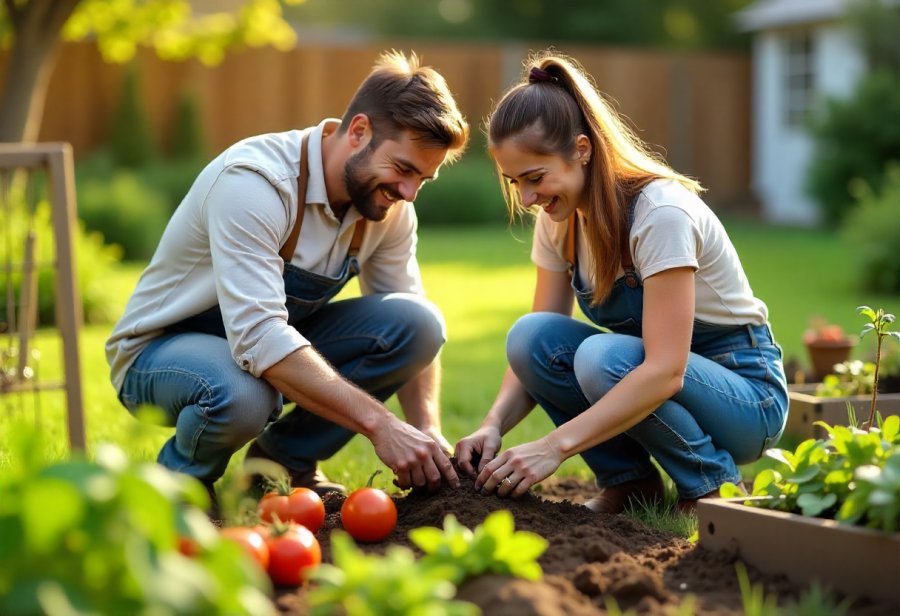
In a world where screens often replace face-to-face interactions, gardening offers a refreshing way to reconnect on a human level. When people work together outdoors, they step away from digital distractions and focus on tangible, shared tasks. This hands-on activity naturally encourages genuine conversations, cooperation, and presence—elements that can get lost behind screens. As hands dig into soil and plants respond to care, relationships deepen through trust and mutual effort, laying a strong foundation for stronger bonds.
Working side by side in a garden fosters open communication without the pressure of formal conversation. Tasks like planting, watering, and weeding require coordination, which naturally sparks dialogue about plans, challenges, and successes. Over time, these shared experiences build trust and understanding, making each person feel more connected and valued. The physical act of tending a shared space becomes a metaphor for relationship-building, illustrating that care and patience lead to growth—both in plants and in people.
Gardening also rebuilds emotional trust by emphasizing patience and cooperation. Growth takes time, and tending a garden teaches resilience and shared responsibility. Watching a plant recover from setbacks or flourish under collective effort reinforces that nurturing something—whether greenery or relationships—demands ongoing attention and love. This ongoing process nurtures a sense of partnership, turning gardening into a powerful routine that strengthens emotional bonds over time.
Being outdoors together creates a calming environment that encourages emotional openness. Natural surroundings make conversations easier and more genuine, helping to break down barriers that digital interactions sometimes leave behind. The garden becomes a safe space where feelings can surface more freely, fostering belonging and mutual understanding. Sharing in this environment transforms the act of caring for plants into a shared journey of trust and empathy, deepening connections beyond words.
Ultimately, tending a garden together reminds us that meaningful relationships are built through consistent effort and presence. The patience and care invested in nurturing plants mirror the work required to nurture human bonds. As relationships grow alongside the garden, they become more resilient and rooted in genuine connection. Small acts—planting, watering, tending—may seem simple, but they cultivate the kind of trust and understanding that last through life’s inevitable ups and downs.
Practical Ways Gardening Fosters Emotional Wellness
Integrating gardening into daily routines offers a simple yet powerful way to nurture emotional well-being and strengthen relationships. Even dedicating a few minutes each morning to watering a small indoor herb garden or tending a few potted plants can create moments of mindfulness and calm. These small acts serve as gentle reminders to slow down, reconnect with nature, and be present. Over time, they become reliable sources of comfort and stability, helping to build resilience and emotional balance amid busy schedules.
For couples and families, establishing regular gardening activities—like planting new flowers, harvesting vegetables, or caring for outdoor beds—creates shared routines that foster patience, teamwork, and a collective sense of purpose. These moments go beyond tending plants; they become opportunities for meaningful interaction and emotional bonding. As everyone works together, conversations flow more naturally, and a sense of mutual achievement deepens trust and understanding.
Joining community gardening projects or local horticultural groups can further enrich these experiences by expanding social connections. Working alongside others in shared outdoor spaces reinforces the idea that growth and healing happen collectively. These gatherings provide additional opportunities for conversation, shared effort, and mutual support, turning gardening into a form of social therapy that benefits emotional health and nurtures community bonds.
Even small-scale activities like planting herbs on a balcony or caring for a few potted flowers can serve as meaningful rituals. Making it a habit to check on and care for these plants regularly reinforces the importance of ongoing attention and patience. These simple routines act as anchors during stressful times, reminding us that growth—whether in plants or relationships—takes consistent effort and time. Over weeks and months, tending these small gardens fosters a sense of accomplishment and hope, especially when faced with life’s challenges.
Spending time outdoors through gardening also offers notable mental health benefits. The physical act of caring for plants—digging, watering, pruning—serves as a meditative practice that calms the mind and reduces stress. The sensory experiences involved, from feeling soil to inhaling fragrant blooms, ground us in the present and promote emotional clarity. Incorporating these routine moments into daily life creates a peaceful sanctuary, helping us reset and recharge amid the chaos of modern life.
The Lasting Power of Caring for Plants Together
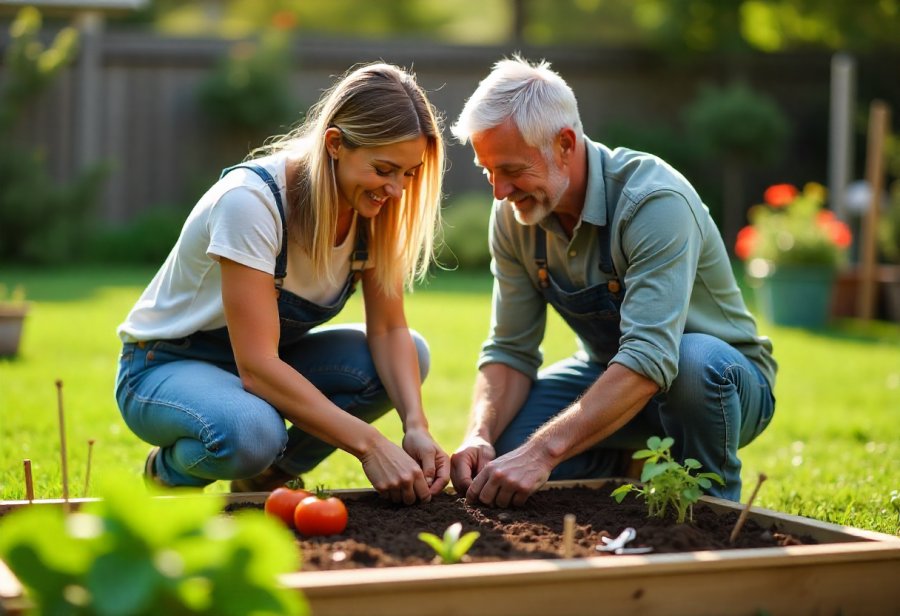
Tending a garden together shows us that meaningful connection and healing often start with simple acts rooted in patience and care. In a world that moves quickly and often pulls us into digital distractions, the shared act of working in the soil reminds us of what truly matters: presence, effort, and genuine attention. These quiet moments of tending and nurturing help build trust and understanding, laying a foundation that can support us through life’s ups and downs.
Gardening is more than just a hobby; it’s a gentle way to deepen bonds. Watching something grow under collective effort creates a sense of pride and shared accomplishment. These small acts—planting seeds, watering, pruning—become rituals that foster emotional intimacy and open the door to honest conversations. Over time, they transform into a language of trust and mutual support, strengthening relationships in subtle yet powerful ways.
Science supports what many experience firsthand—that working with nature reduces stress and boosts emotional resilience. Sharing this process amplifies its benefits, turning a simple outdoor activity into a form of therapy. It’s a quiet, ongoing reminder that healing and connection flourish through patience, consistency, and care. In a world often fragmented by screens, tending a garden becomes a peaceful act of reclaiming presence and fostering well-being.
The sensory experiences involved—feeling soil, smelling blooms, witnessing vibrant growth—ground us in the here and now. These moments of engagement create a space for emotional expression and vulnerability, helping to break down barriers that digital interactions sometimes impose. As relationships blossom alongside the plants, the act of nurturing becomes a shared journey of trust, empathy, and mutual growth.
In the end, tending a garden as a team reminds us that deep bonds don’t always require grand gestures. They grow steadily, rooted in ongoing effort, patience, and presence. Just like plants, relationships need consistent care to thrive. When we invest time and love into tending something living, we cultivate resilience and understanding that can withstand life’s inevitable challenges.
Choosing to garden together is an act of quiet strength. It’s a reminder that connection is nurtured in everyday moments—those small, consistent acts of care that, over time, bloom into lasting bonds. In a fast-paced, often disconnected world, these shared efforts in the dirt offer a profound way to reconnect with ourselves and each other, proving that growth and healing are always possible when rooted in patience and love.