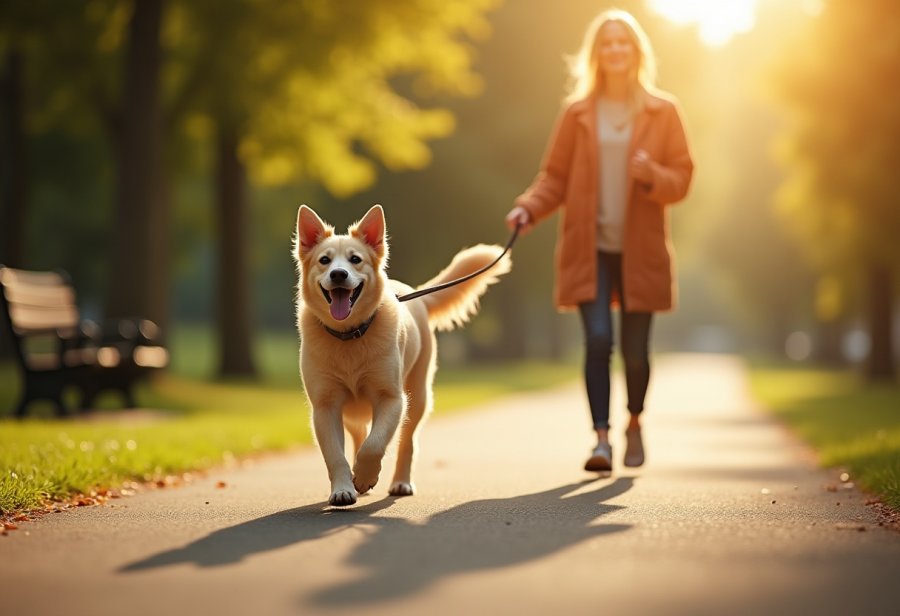
Mastering the art of walking calmly with your dog transforms daily outings from chaos to connection. While the goal seems simple, achieving a harmonious walk requires patience, consistency, and understanding canine behavior. This guide reveals proven techniques that focus on positive reinforcement, proper equipment, and step-by-step routines to encourage focus and relaxation amid distractions. Imagine turning stressful pulls and lunges into shared moments of trust and mutual respect—making walks safer, more enjoyable, and deeply bonding. But what happens when your dog hesitates or becomes overwhelmed? The journey involves overcoming obstacles like pulling or overstimulation with gentle redirection and tailored training strategies. This approach not only builds your dog’s confidence but fosters a relationship rooted in calm communication. Are you ready to unlock a peaceful, mutually rewarding connection? The path to serene leash walks is achievable with patience, the right tools, and a compassionate mindset—turning everyday walks into cherished shared experiences.
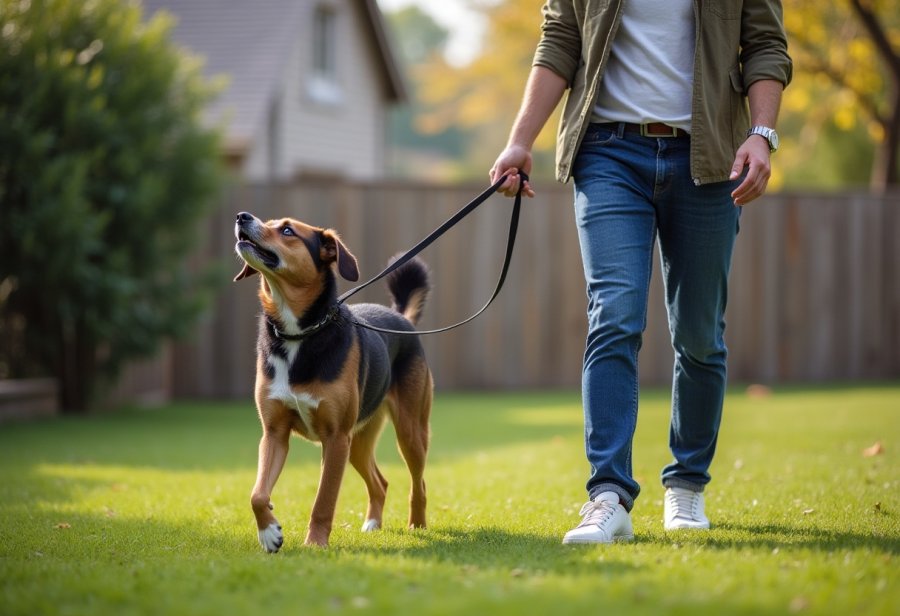
Mastering Calm Dog Walking: A Foundation for Trust and Connection
Walking calmly with your dog might seem straightforward, but it’s actually a skill that requires patience and consistency. When your dog learns to walk politely at your side, it’s more than just good manners—it’s the foundation for trust, clear communication, and a stronger bond. A peaceful walk turns a routine outing into a shared moment of connection instead of a source of frustration.
Mastering calm leash walking isn’t just about preventing pulling or lunging; it creates a sense of security for your dog and makes outings safer and more enjoyable. When your dog stays focused and relaxed, they’re better equipped to handle distractions like other dogs, loud noises, or busy streets. This focus also makes training commands more effective, deepening your mutual understanding.
Building this harmony takes practice, but the rewards are worth it. Positive reinforcement—treats, praise, and gentle guidance—helps your dog associate calm walking with good things. Teaching commands like “heel” or “easy” provides clear cues for behavior, while the right equipment can make training smoother and more comfortable for both of you. Short, regular sessions foster confidence and gradually transform chaotic walks into peaceful, shared experiences.
This guide is designed to help you develop those skills step by step, from understanding canine behavior to choosing effective tools. It’ll address common challenges along the way and share practical tips to keep you motivated. With patience and persistence, you’ll unlock a calm, joyful walking relationship that turns everyday strolls into moments of trust, connection, and mutual respect.
Understanding Canine Behavior and Building a Trustworthy Training Approach
Understanding dog behavior is the cornerstone of effective leash training and calm walking. Dogs are naturally social creatures with instincts rooted in their pack mentality. They might pull on the leash out of excitement, curiosity, or simply because they’re overwhelmed by scents, sounds, or the presence of other animals. Recognizing these triggers helps you tailor your approach and set realistic expectations for progress.
Training techniques have evolved significantly over the years. In the past, correction-based methods often damaged trust and made training more difficult. Today, the focus is on positive reinforcement—using treats, praise, and gentle guidance to encourage good behavior. This approach not only fosters a happier learning environment but also builds a stronger bond based on trust and mutual respect.
Dogs see us as leaders and look to us for cues on how to behave. Establishing yourself as a calm, confident guide helps your dog feel secure during walks. Consistent routines and clear commands reinforce your role as a trustworthy leader, making your dog more responsive and cooperative.
Reinforcing calm walking behaviors is central to successful training. Reward-based methods tap into a dog’s natural desire for positive outcomes, encouraging them to repeat desirable behaviors. When your dog learns that walking politely results in treats and praise, they become more relaxed and focused on you, rather than distractions around them.
Understanding key training terminology like “heel” or “easy” makes communication clearer. These cues help your dog understand what’s expected, turning walking into a cooperative activity rather than a chaotic tug-of-war. Building this trust and understanding is essential for a peaceful, enjoyable walk.
Modern tools support humane and effective training. Harnesses designed to reduce pulling, clickers for precise communication, and treats for reinforcement make the process smoother. Choosing the right equipment tailored to your dog’s size and temperament can accelerate progress and reduce frustration.
Finally, patience and consistency are vital. Every dog learns at their own pace, and setbacks are part of the journey. Recognizing this, staying calm, and maintaining gentle, regular practice will gradually transform your walks from stressful to serene—deepening your bond and turning every outing into a shared moment of trust.
Modern Tools and Techniques for Peaceful Leash Manners Today
Today’s dog training landscape offers a wealth of tools and methods designed to make calm, harmonious walks more accessible than ever. Modern harnesses with front-clip designs help guide your dog gently, reducing pulling without causing discomfort. These devices make teaching leash manners easier and more comfortable for your pet, promoting relaxed walking right from the start.
Positive reinforcement remains at the heart of effective training. Using treats, praise, and clicker routines, owners can encourage desirable behaviors like walking calmly at their side. This humane approach fosters trust and makes training sessions more engaging, shifting the focus away from correction-based techniques. It’s a clear reflection of how our understanding of canine psychology has evolved, emphasizing kindness over punishment.
Innovative gadgets and apps have also become common parts of training routines. Remote trainers, treat dispensers, and activity trackers help owners stay consistent and motivated. Many apps offer tailored routines or progress tracking, turning training into a structured, rewarding process. These tools can boost confidence and make the journey to better leash manners more enjoyable for both owner and dog.
Despite numerous advances, challenges like distractions, pulling, or over-excitement still appear, especially in busy environments. Thankfully, new equipment is designed to address these issues humanely. Specialized harnesses and training aids help manage pulling and overstimulation, gradually building your dog’s focus and confidence in high-stimulus settings. The goal remains to create a positive, trust-based environment that encourages cooperation.
The shift toward relationship-centered training emphasizes mutual respect and understanding. Building a calm, confident dog involves consistent routines, clear cues, and patience. When your dog learns to walk in harmony, walks become opportunities for bonding, not battles for control. This approach makes every outing safer, more enjoyable, and more meaningful.
Training plans are increasingly tailored to each dog’s unique needs, considering temperament, age, and environment. Custom routines ensure steady progress and realistic goals, making the process less frustrating and more rewarding. With the right tools, techniques, and mindset, achieving calm leash walks is an attainable goal for every dog owner.
Overall, the current training landscape offers a supportive, humane foundation for success. Combining innovative tools, modern methods, and patience, owners can help their dogs develop relaxed leash manners that last a lifetime. With consistent effort, every walk can transform into a shared moment of trust, joy, and connection.
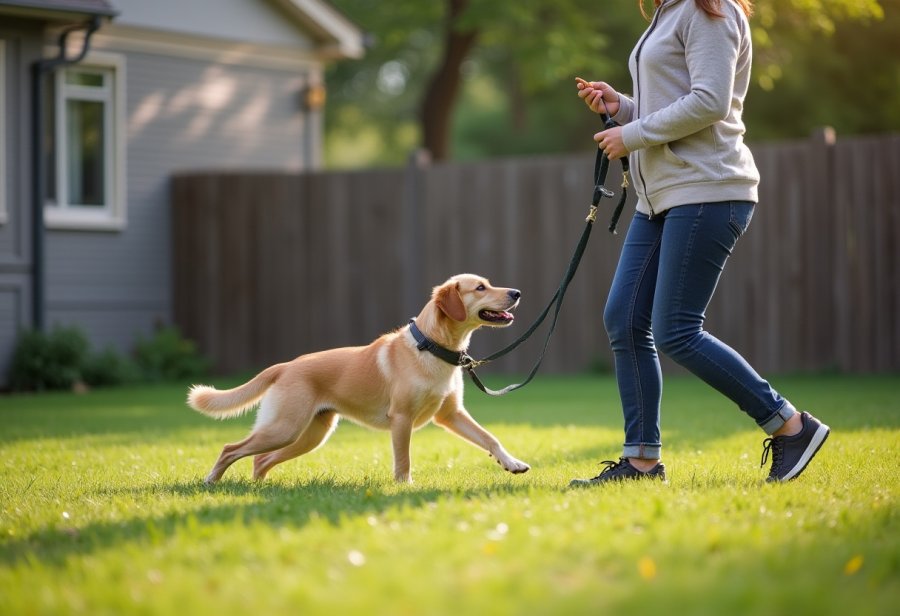
Budget-Friendly Strategies for Effective Training Equipment and Resources
When it comes to training your dog for calm, harmonious walks, understanding the costs involved can help you plan effectively. Basic equipment like a high-quality leash and a comfortable harness are affordable options, often available for under $50. These tools are essential for safe, controlled training sessions and serve as a reliable investment that can last for years if chosen wisely. They set the foundation for effective leash manners without breaking the bank.
If you’re considering professional help, classes or private trainers vary widely in price. Group training sessions generally cost between $100 and $200 for a multi-week program, making them accessible for many owners. Private lessons tend to be more expensive, sometimes reaching $50 to $100 per session, but they offer personalized guidance tailored to your dog’s unique needs. While these costs can add up, many find that expert support accelerates progress and boosts confidence more quickly.
Beyond initial gear and training, additional resources like clickers, treat dispensers, or specialized collars can enhance your training efforts. These small investments—typically between $10 and $30—can significantly improve your ability to reinforce calm behaviors consistently. Spending wisely on quality equipment and guidance pays off by fostering better leash manners, increasing safety, and strengthening your bond over time.
For those on a tighter budget, plenty of affordable options exist. Online tutorials, free videos, and community resources offer valuable training tips without extra expense. Using household items and treats for DIY routines can be just as effective, especially when combined with patience and persistence. Being resourceful ensures cost doesn’t hinder your journey to peaceful walks.
Ultimately, investing in the right tools, training resources, and professional guidance can lead to lasting calm leash manners. Whether you choose to seek expert help or rely on DIY methods, prioritizing quality and consistency will make your walks safer, more enjoyable, and more connected. The right financial approach sets the stage for a peaceful, rewarding walking relationship with your dog.
Real-Life Success Stories: How Calm Walking Transforms Daily Life
Calm leash training can significantly transform everyday experiences with your dog. Instead of feeling frustrated or anxious during walks, owners often find themselves enjoying these moments more fully. When a dog learns to stay focused and walk beside their owner, even amid distractions like other dogs, busy streets, or loud noises, outings become safer and more relaxing. This shift in behavior not only reduces stress but also turns walks into opportunities for bonding and mutual enjoyment.
Many owners notice a remarkable change in their relationship with their dog as leash manners improve. For instance, a dog that once lunged at other animals or reacted intensely to sudden sounds now walks calmly past triggers, trusting their owner’s guidance. These improvements foster a sense of confidence and security in both the dog and owner, making outings feel less like battles and more like shared adventures. The dog’s newfound self-control translates into a calmer demeanor in different environments, from parks to urban sidewalks.
With consistent practice, daily routines become smoother. Dogs that used to jerk on the leash or become overwhelmed by sights and smells now respond reliably to cues, even in stimulating settings. This progress encourages spontaneous outings—visiting friends, exploring new trails, or visiting busy markets—because the dog is prepared to stay calm and focused. These positive changes deepen the bond of trust, making each walk a meaningful moment of connection rather than a challenge to control.
Of course, setbacks happen. Some dogs slip back into old habits, especially in highly stimulating environments. But with patience and persistence, these moments serve as learning opportunities rather than failures. Returning to basic exercises and reinforcing calm behaviors help keep progress on track. Over time, the shared trust and understanding built through calm leash training turn everyday walks into a source of joy, confidence, and companionship.
Seeing tangible progress is motivating. Owners often describe how their walks have shifted from stressful routines to peaceful, bonding experiences. This transformation—from chaos to calm—illustrates how effective training can enhance daily life. It’s not just about better leash manners; it’s about creating a stronger, more trusting relationship that benefits both dog and owner in every shared step.
Step-by-Step Implementation for Confident, Relaxed Walks
To begin your calm leash training, set clear, manageable goals that focus on one or two behaviors at a time, like walking without pulling or maintaining attention during your walks. Start in a quiet environment such as your backyard or a peaceful park, where your dog can concentrate and build confidence without overwhelming stimuli. Use a comfortable harness and a short, sturdy leash to give yourself better control and prevent discomfort for your dog. Introduce simple commands like “heel” or “easy,” rewarding your dog with treats and praise whenever they walk politely beside you. Keep training sessions brief—around five to ten minutes—to maintain your dog’s interest and prevent fatigue.
Consistency is the foundation of success. Practice the same routines and commands daily so your dog understands what’s expected. When your dog pulls ahead, stop immediately and wait until they return to your side before moving forward. This teaches that calm, focused walking results in progress. Reinforce good behavior consistently with treats and praise, avoiding harsh corrections that can damage trust. As your dog becomes more reliable, gradually increase walk duration and introduce mild distractions to help them stay focused in different environments.
Patience remains key—dogs take time to develop new habits. Celebrate small successes to keep motivation high, and if your dog gets distracted or pulls, redirect their attention gently and reinforce the desired behavior. Rushing the process may cause setbacks, so maintain a steady, gentle approach. Over weeks, these small, consistent efforts will lay a solid foundation for more relaxed and controlled walks.
Once your dog responds reliably in quiet settings, slowly introduce more stimulating environments like busy streets or parks. Keep training positive, with plentiful rewards, and don’t rush these transitions. Building trust during this phase is crucial, as it helps your dog feel comfortable and confident in more challenging situations. Remember, progress might be gradual, but persistence will lead to a calmer, more connected walking experience for both of you.
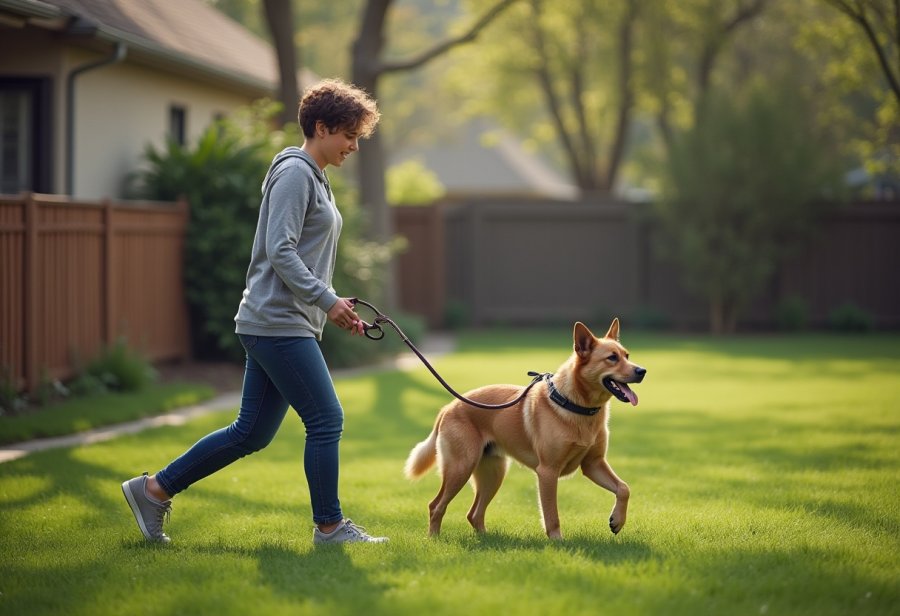
Overcoming Common Challenges on the Path to Calm, Focused Leashes
Training a dog to walk calmly at your side isn’t always straightforward. Distractions like other dogs, loud noises, or busy streets can trigger pulling, over-excitement, or reactive behaviors, making calm leash walking a challenge. Recognizing when your dog becomes overwhelmed allows you to pause and adjust your approach. Slowing down, taking a break, or moving to a quieter spot can help your dog reset and regain focus. Maintaining a calm tone and steady movements reassures your dog that you’re in control, which in turn helps them feel secure and less reactive.
Pulling on the leash is a common issue rooted in curiosity or eagerness to explore. Instead of yanking or punishing, stop moving the moment your dog pulls ahead. Wait until they return to your side before resuming the walk. This teaches that staying close and focused is what leads to progress. Gradually exposing your dog to more distractions—like busy streets or park crowds—builds their ability to stay attentive in stimulating environments. Patience and gentle redirection are key to helping them develop self-control.
Some dogs may resist commands or become stubborn, especially if they’ve had negative training experiences. Consistency and positive reinforcement are your best tools here. Use treats, praise, or toys to redirect their attention and reward calm, focused behavior. Avoid harsh corrections, as these can damage trust and hinder progress. Remember, every dog learns at their own pace, so celebrate small wins and stay patient through setbacks.
Setbacks are normal; even well-trained dogs slip into old habits from time to time. When this happens, revert to basic exercises and reinforce calm behaviors. Repetition and gentle redirection help embed new habits. Over time, these small, consistent efforts will strengthen your dog’s ability to stay focused and relaxed, even in challenging situations.
Keep in mind that progress may be slow, but persistence pays off. If your dog becomes reactive or overly excited, breaking training into shorter, positive sessions helps rebuild their focus. Recognize setbacks as part of the learning process rather than failures. With patience, redirection, and lots of praise, most obstacles can be managed effectively, turning challenges into opportunities for growth.
Approaching these hurdles calmly and confidently sets your dog up for success. Early intervention prevents small issues from becoming bigger problems later. Remember, training is a journey—patience and consistency are your best allies. Each challenge you overcome deepens the trust and understanding between you and your dog, making every walk more peaceful and enjoyable.
By staying calm and using clear, gentle strategies, you help your dog learn to navigate distractions and remain focused. This builds a foundation of trust and confidence that will serve you well in all walks to come. Overcoming obstacles with patience and kindness turns training into a positive experience, strengthening your bond and ensuring that calm, harmonious walks become the norm rather than the exception.