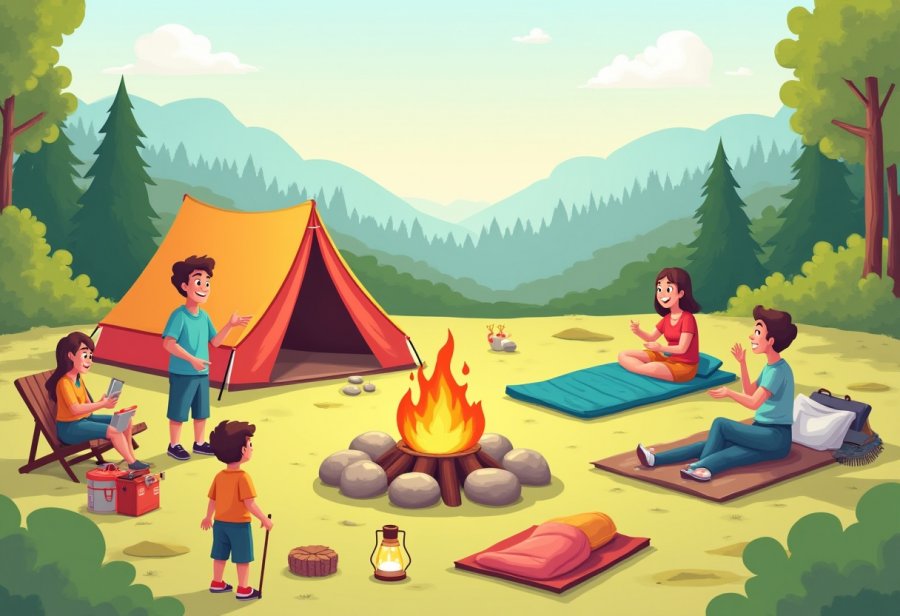
Discover the Joys of Camping: Your Beginner’s Gateway to Nature
Camping is a simple activity with a powerful appeal: it offers a chance to step away from daily routines and reconnect with nature. For newcomers, it’s an inviting way to experience adventure, relaxation, and discovery all at once. Sleeping under the stars, listening to the rustling leaves, and taking a break from screens and schedules can do wonders for your mood and mental clarity. These quiet moments help clear your mind and create a sense of calm that’s hard to find elsewhere.
At its core, camping is about creating a temporary home outdoors—whether that’s pitching a tent, parking a camper van, or finding a cozy spot in the woods. It’s a gentle introduction to nature that doesn’t require advanced skills or fancy gear. Starting small with an overnight trip or a day outing allows you to build confidence and learn as you go. The simplicity of setting up camp and soaking in your surroundings makes it accessible for almost everyone interested in exploring outside.
Spending time outdoors has proven mental health benefits. Fresh air, sunlight, and natural sounds help reduce stress and boost overall well-being. Camping encourages you to slow down, disconnect from technology, and focus on the present—whether that’s gathering firewood, spotting wildlife, or just breathing deeply. These experiences foster a sense of grounding and appreciation for the simple things, leaving you feeling more energized and centered.
Many first-timers worry about safety, but a little planning can make all the difference. Basic essentials like a map, a charged phone, and a first aid kit boost confidence. You don’t need all the latest gear—just the basics like a tent, a sleeping bag, and weather-appropriate clothing. Being prepared allows you to relax and enjoy your trip instead of stressing over possible mishaps. Approaching camping with curiosity and a positive attitude turns each outing into a memorable adventure, even if things don’t go perfectly.
Camping isn’t just about the activity itself; it’s about creating memories and building confidence outdoors. Small wins—like pitching your tent or spotting wildlife—can be surprisingly rewarding. These moments encourage further exploration and help turn outdoor adventures into a lifelong passion. With patience, curiosity, and an open mind, even beginners can discover the joys of camping and develop a deeper appreciation for the natural world.
Master Planning Your First Camping Adventure with Ease
Planning your first camping trip might seem daunting at first, but breaking it down into simple steps can make the process much more manageable. Start by choosing a location that feels welcoming and easy to access. Campsites labeled as “family-friendly” or “easy access” are great options—they often come with helpful amenities like restrooms, picnic tables, and clear signage. Opting for a nearby spot can reduce travel stress, giving you more time to relax and settle in without feeling overwhelmed.
Next, focus on gathering the essentials. A straightforward checklist can help you pack what you need without overdoing it. Think lightweight tent suited for the weather, a warm sleeping bag, weather-appropriate clothing, and safety gear like a flashlight, a small first aid kit, and insect repellent. Take a moment to familiarize yourself with your gear before the trip—practice pitching your tent at home and organize your supplies so everything’s easy to find when you arrive. This prep work boosts your confidence and makes setup smoother.
Before heading out, check the weather forecast and review park rules. Knowing what weather to expect helps you pack accordingly and avoid surprises. Share your plans with someone you trust, providing your itinerary and estimated return time. Carry a map or GPS device, especially if you plan to explore beyond the main campsite. Having a navigation plan adds a layer of safety and peace of mind, making your first trip less stressful and more enjoyable.
This idea is expanded on The Beatles by Evangeline Hayes in the article Begin Your Outdoor Adventure with a Positive Camping Mindset.
Packing efficiently makes all the difference in setting up a comfortable, tidy campsite. Use bins or separate bags to organize cooking gear, clothing, and safety supplies. This way, you can easily find what you need without rummaging through your pack. Remember, less is often more—stick to essentials to keep your load manageable, especially if you plan to hike or move around. Arriving early on the day of your trip allows ample time to set up camp comfortably before nightfall, giving you a chance to explore and get familiar with your surroundings.
Finally, plan some simple activities to make the most of your outdoor time. Whether it’s a short hike, birdwatching, or just relaxing by the fire, having a loose plan helps you enjoy your trip without feeling pressured. Taking these small steps in preparation transforms camping from a stressful task into an exciting adventure. With a little planning and a positive mindset, your first outdoor trip can be smooth, rewarding, and the start of many more memorable outdoor experiences.
Experience the Outdoors: What to Expect and How to Make It Memorable
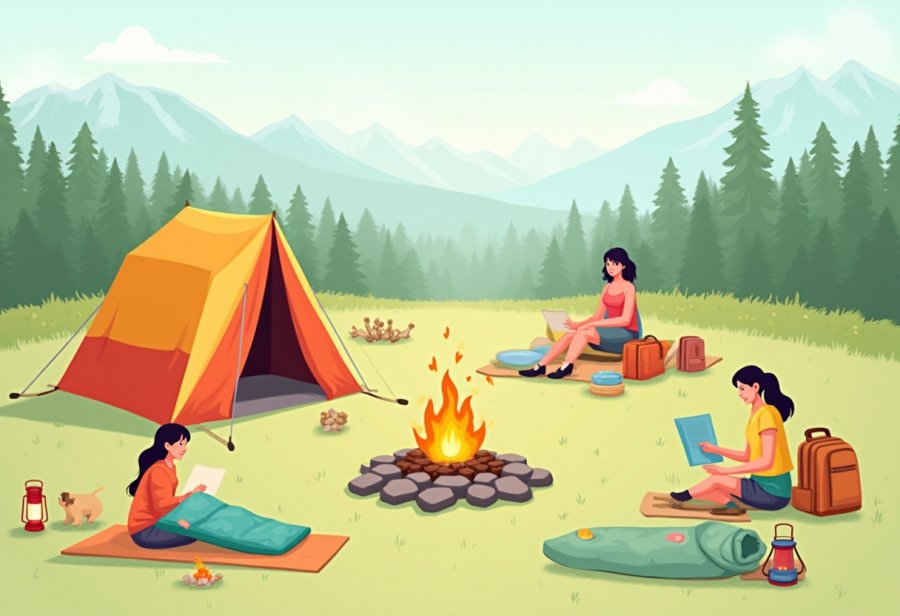
Camping immerses you in a world that feels refreshingly different from everyday life. Once you step outside, you’re greeted by a symphony of natural sounds—birds singing, leaves rustling, water flowing—that quickly become part of your experience. Expect to see wildlife, whether it’s a squirrel darting through trees or a deer grazing in the distance. These sights and sounds can be surprisingly calming, helping you feel more connected to the environment around you.
As you settle into your campsite, take time to explore your surroundings. Going for a short walk or hike nearby can reveal hidden gems like a quiet stream or a scenic overlook. Observing how sunlight filters through the trees or clouds drift overhead encourages mindfulness and deepens your appreciation for nature’s details. Engaging your senses—listening, touching, watching—makes the outdoor environment come alive in ways that are hard to replicate indoors.
Relaxing around the campfire often becomes the highlight of camping. The flickering flames create a warm glow that invites storytelling, singing, or simply enjoying the peaceful quiet. Roasting marshmallows or cooking simple meals over the fire turns into a shared ritual, fostering a sense of camaraderie and family bonding. These moments of leisure and connection transform a trip into a memorable experience that helps you unwind and recharge.
A relevant discussion appears on EGK Professional Associates in Eleanor Wells‘s Embrace the Outdoors with Confidence and Joyful Camping Mindset.
Nature also offers a chance to slow down and be present. Watching a sunset paint the sky with vibrant colors or listening to the gentle rustling of leaves can evoke awe and gratitude. Taking a deep breath and soaking in the scenery allows you to recharge mentally and emotionally. Even during the day, pausing to observe your surroundings helps you feel more grounded and appreciative of the environment you’re in.
For those new to camping, it’s natural to feel a bit unsure about what to do or expect. Rest assured, the outdoors is welcoming and forgiving. The more you observe and participate—whether it’s helping set up camp, identifying birds, or simply enjoying a quiet moment—the more confident you’ll become in your outdoor skills. Each trip builds familiarity and comfort, making outdoor adventures more enjoyable and less stressful.
Connecting with nature during your camping trip goes beyond just being outdoors; it’s about fully immersing yourself in the environment around you. Slowing down and paying close attention to your senses can turn a simple walk into a rich, memorable experience. Listen to the chorus of birdcalls, feel the rough bark of trees under your fingertips, and notice how sunlight filters through the leaves. These small details often go unnoticed but hold the power to deepen your appreciation for the natural world.
The more you engage with nature, the more you’ll realize how vital it is to protect these spaces. Recognizing the interconnectedness of plants, animals, and ecosystems fosters respect and a sense of stewardship. Practicing Leave No Trace principles and being mindful of your impact ensures that these environments remain pristine for future visitors. Connecting deeply with nature transforms camping from a mere activity into a meaningful experience that nurtures both your well-being and the planet.
Deepen Your Connection: Engaging Fully with Nature During Your Trip
Connecting with nature during your camping trip goes beyond simply being outdoors; it’s about immersing yourself fully in the environment around you. Slow down and engage your senses—listen to the chorus of birdcalls, feel the rough bark of trees under your fingertips, and notice how sunlight filters through the leaves. These small, often overlooked details deepen your appreciation for the natural world and turn a routine walk into a rich, memorable experience.
Paying close attention to your surroundings helps foster a sense of calm and curiosity. Whether you’re strolling along a trail or sitting quietly by a water’s edge, observing the environment invites mindfulness. Watching wildlife—like a squirrel darting across the ground or a bird flitting through the trees—reminds you that you’re part of a vibrant ecosystem. These moments of presence can be surprisingly grounding, easing stress and cultivating a feeling of peace.
Sharing these natural encounters with others enhances that sense of connection. Pointing out a bird’s bright plumage, identifying a plant, or simply exchanging quiet moments in the woods creates bonds rooted in shared wonder. These small acts of observation and discovery turn outdoor time into meaningful interactions, whether with friends, family, or yourself. It’s about creating space for appreciation and curiosity in every corner of your environment.
Even alone, embracing mindful exploration makes outdoor adventures more rewarding. Pausing to soak in the scenery can transform a simple walk into a meditative practice. Listening to rustling leaves or feeling the textures of moss underfoot encourages you to slow down and breathe deeply. These moments of presence help recharge your mental energy and foster gratitude for the environment you’re exploring.
Connecting deeply with nature also cultivates respect and a sense of stewardship. As you observe the delicate balance of life around you, you develop a stronger desire to protect and preserve these spaces. Recognizing the interconnectedness of plants, animals, and ecosystems encourages responsible outdoor habits, like practicing Leave No Trace principles. This mindful approach ensures these environments remain pristine for future generations.
For additional context, refer to Start Small, Dream Big: How a Positive Attitude Makes Camping Easy and Fun, an article by Jens Williams on Blog Story Lines.
Engaging with nature in this way transforms camping from a simple activity into a meaningful experience. It’s about more than just taking in the scenery; it’s feeling part of something larger. Slowing down and truly engaging your senses turns each trip into an opportunity for discovery—about the environment and yourself as well.
As you continue exploring, these mindful moments become a natural part of your outdoor routine. They deepen your appreciation for the environment’s beauty and complexity, inspiring a lifelong curiosity and respect. The more you connect, the more you realize that nature isn’t just a backdrop—it’s an active, breathing community inviting your participation.
Looking Forward: Embrace Continuous Outdoor Exploration and Learning
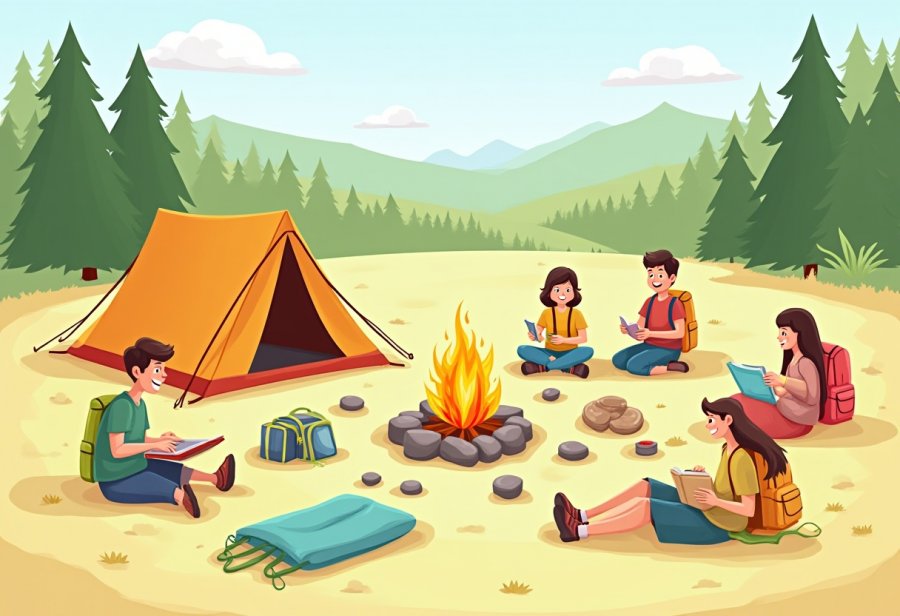
As you become more comfortable with camping, the outdoor world opens up in exciting new ways. Each trip becomes an opportunity to explore different environments—mountains, lakes, forests—and to try new activities like kayaking, mountain biking, or even beginner rock climbing. These new adventures keep your outdoor routine fresh and help you develop a broader set of skills, making every outing more rewarding and engaging.
Staying curious is key to ongoing growth. Reading about various outdoor pursuits, attending workshops, or connecting with other enthusiasts can introduce you to fresh ideas and techniques. Learning about local wildlife, plants, and eco-friendly practices adds depth to your experiences and fosters a sense of responsibility. The more you educate yourself, the safer and more meaningful each trip becomes, transforming outdoor exploration into a lifelong journey of discovery.
Advancements in gear and technology continue to make outdoor adventures easier and more accessible. Lightweight tents, portable solar chargers, and versatile multi-tools are just a few innovations that streamline packing and enhance comfort. Embracing eco-conscious gear and practicing Leave No Trace principles help you enjoy nature responsibly, ensuring these pristine environments remain available for future explorers. Incorporating these tools and principles not only improves your trips but also contributes to the preservation of the natural spaces you love.
Trying different styles of camping can keep your outdoor experiences exciting. Car camping offers comfort and convenience, making it perfect for family trips or beginners. Backpacking introduces a more immersive adventure, pushing you to explore remote trails and hidden spots. Starting with guided trips or well-marked paths can help build confidence gradually, making each new style approachable and enjoyable. The variety keeps your outdoor routine dynamic and prevents the experience from feeling routine or repetitive.
Building a routine of continuous learning turns outdoor adventures into a passion. Setting personal goals—such as mastering new skills or exploring unfamiliar parks—keeps your trips purposeful and engaging. Joining local groups or online communities provides opportunities to share experiences, swap tips, and stay motivated. With each new skill learned or environment explored, your outdoor story grows richer, making every trip more fulfilling and inspiring a sense of ongoing adventure.
Ultimately, outdoor exploration is a lifelong pursuit that deepens your connection to nature and yourself. Each journey broadens your perspective, fosters respect for the environment, and fuels your curiosity. Whether you’re trying a new activity, visiting a different landscape, or honing your skills, the path of discovery never truly ends. It invites you to keep exploring, learning, and appreciating the natural world—turning outdoor adventures into a rewarding and enduring part of your life.