In an era where seamless, reliable communication is paramount, how can organizations harness customizable telephony solutions to redefine their network efficiency? This exploration reveals how innovative devices from Grandstream—like the versatile GRP series IP phones—empower businesses to deploy scalable, secure, and easy-to-manage systems. These modern endpoints, compatible with cloud management platforms, facilitate remote configuration and monitoring, making large-scale deployment straightforward and cost-effective. But as the digital landscape evolves, so do the challenges of ensuring call quality, security, and flexibility across distributed networks. Can businesses strike the right balance between innovation and reliability? This guide underscores how tailored telephony systems not only streamline daily workflows but also future-proof organizational communication, fostering growth and resilience. Discover how embracing these advanced solutions transforms traditional voice networks into strategic assets—delivering both efficiency and a competitive edge in an ever-changing digital world.
Enhance Your Business Communications with FiberConX’s VoIP Solutions in Canada
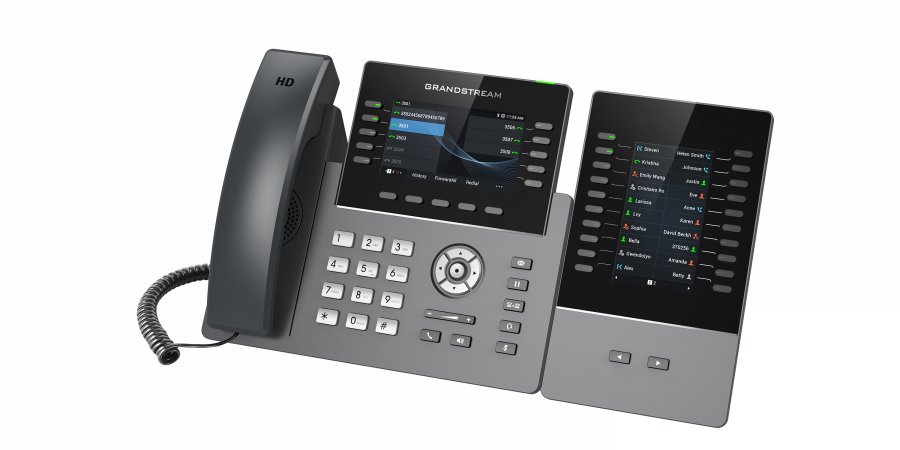
Looking for reliable VoIP and IP business phone services in Canada? FiberConX Communications offers advanced solutions featuring voicemail, IVR, Ring Groups, and voicemail-to-mail capabilities to streamline your communication workflows. Upgrade your office phone system with the Grandstream GRP2615, a powerful device designed to meet the demands of modern businesses. Whether you’re managing multiple departments or need seamless call routing, FiberConX provides tailored solutions to keep your team connected and productive. Contact us today at [email protected] or call 1.800.961.6856 to learn more about how our VoIP services can transform your business communication.
Revolutionize Your Communication: The Power of Customizable Telephony Solutions
In today’s busy business world, effective communication isn’t just a nice-to-have—it’s essential. Companies need flexible, reliable ways to connect with clients, partners, and team members, whether they’re working from the office or remotely. Traditional phone lines often fall short because they lack the agility to support modern workflows and rapid growth. That’s where customizable telephony solutions come in, offering tailored systems that adapt to your organization’s specific needs and scalability.
These solutions do more than just handle calls; they transform how your entire communication landscape functions. From personalized call routing to integrated voicemail and conferencing features, they streamline daily operations and boost user satisfaction. As technology advances, organizations can choose devices, deployment methods, and management tools that align perfectly with their goals—making networks more efficient and resilient.
A key driver behind this shift is the demand for future-proof systems that grow with your business. Cloud-managed platforms and innovative devices, like those from Grandstream, make it easy to expand, upgrade, or reconfigure networks without causing disruptions. This flexibility not only reduces long-term costs but also minimizes downtime, allowing your team to stay focused on core activities while maintaining a dependable communication infrastructure.
Devices designed for mass deployment and centralized management are at the forefront of this evolution. Grandstream’s IP phones and series like the GRP series exemplify this approach, offering quick setup, remote configuration, and ongoing monitoring. Such features are especially valuable for organizations with multiple locations, where managing hundreds or thousands of phones efficiently can be a game-changer.
Understanding the importance of customizable telephony helps organizations leverage technology to enhance collaboration and customer service. By adopting flexible, scalable solutions, businesses can build communication networks that support growth, adapt to changing needs, and provide a seamless experience for users and clients alike. This shift isn’t just about technology—it’s about rethinking how your organization connects in a digital world.
Unlocking the Core Concepts of Modern Telephony Systems
Understanding modern telephony begins with grasping some core concepts that underpin how businesses communicate today. Unlike traditional landlines, which rely on analog signals, IP-based systems transmit voice data over the internet. This shift to VoIP (Voice over Internet Protocol) not only offers greater flexibility but also unlocks features like call forwarding, voicemail, and conference calls that integrate seamlessly into daily workflows. Connecting IP phones directly to the network transforms existing infrastructure into a powerful tool for customized communication, tailored to the organization’s needs.
Cloud-managed telephony platforms have revolutionized deployment and ongoing maintenance. Instead of configuring each device individually, administrators manage endpoints remotely through centralized dashboards. This approach simplifies scaling across multiple locations, enabling quick updates, device monitoring, and troubleshooting from a single interface. It reduces reliance on on-site support and minimizes downtime, making the network more resilient and adaptable as your organization grows.
Customization lies at the heart of effective telephony solutions. Rather than sticking with generic setups, businesses can select features, devices, and deployment strategies that align with their specific workflows. Whether it’s advanced call routing, personalized voicemail, or seamless integration with digital tools, tailored configurations boost efficiency and enhance user satisfaction. This flexibility ensures that your communication system evolves alongside your organization’s changing needs.
Device evolution reflects ongoing innovation. Early analog phones have given way to digital IP phones, which deliver clearer audio and a range of new functionalities. Modern devices from brands like Grandstream combine sleek design with robust features such as high-definition audio, multi-line support, and enhanced security protocols. These capabilities cater to both small offices and large enterprises, providing a consistent, high-quality experience across diverse deployment scales.
Deployment strategies vary depending on organizational size and objectives. Small businesses might start with a handful of IP phones, while larger entities leverage mass deployment solutions like Grandstream’s GRP series. These endpoints support rapid provisioning and remote management, making it easy to scale across multiple sites. The ability to configure thousands of phones remotely helps maintain consistency, control, and security—even in complex environments.
Communication protocols such as SIP (Session Initiation Protocol) and RTP (Real-time Transport Protocol) form the backbone of these systems. SIP manages call signaling, enabling features like transfer and hold, while RTP handles the actual transmission of media. Combining these with security measures like TLS and SRTP ensures conversations remain private and protected from cyber threats. Understanding these protocols helps organizations build reliable, secure networks capable of future upgrades.
Network management tools also play a crucial role in maintaining high call quality. Quality of Service (QoS) settings prioritize voice traffic over data, reducing latency and jitter that can affect clarity. Continuous monitoring detects issues early, allowing proactive troubleshooting before users experience disruptions. This balanced approach to performance, security, and scalability keeps communication clear and dependable during peak usage times.
Building a solid foundation in these core concepts—device types, network protocols, management platforms, and deployment strategies—empowers organizations to design communication systems that are both flexible and scalable. This knowledge ensures informed decision-making as you implement customized telephony solutions, supporting your organization’s growth and evolving digital landscape.

Navigating the Dynamic Landscape of Today’s Business Communication
The way businesses communicate today is changing faster than ever, driven by rapid technological advancements and shifting user expectations. IP-based solutions now dominate, offering unmatched flexibility and scalability compared to traditional landlines. Cloud-managed platforms and unified communication tools enable teams to collaborate seamlessly across different devices and locations, making it easier to adapt quickly to evolving organizational needs. This digital shift allows companies to add or remove users, update features, and manage networks remotely—often without physical hardware changes or service interruptions.
However, these innovations come with new challenges. As more devices and communication channels connect to the network, security becomes a top priority. Protecting sensitive conversations and customer data from cyber threats requires robust security measures and continuous vigilance. Managing a distributed network of endpoints across multiple sites can be complex, especially if configurations are inconsistent or if network performance isn’t optimized. Poor call quality or dropped calls can undermine the benefits of modern telephony, making proactive management essential.
Mobile integration is transforming workplace communication, blending office and remote environments. Employees now expect to make and receive high-quality calls on their smartphones, just as reliably as on their desk phones. Solutions that support this level of mobility—like Grandstream’s IP phones and cloud management tools—extend enterprise-grade features to mobile users while maintaining centralized control. This ensures consistent, secure communication regardless of location, empowering teams to work flexibly without sacrificing quality.
Maintaining reliable call quality remains a challenge as voice traffic demands low latency and minimal jitter. During peak usage times, networks can become congested, affecting audio clarity. To address this, many organizations implement Quality of Service (QoS) protocols and traffic prioritization, but ongoing network monitoring and fine-tuning are crucial. Hardware advancements and management platforms make this more manageable, yet balancing performance, security, and scalability continues to require careful planning.
Overall, today’s telephony landscape offers exciting opportunities for enhanced collaboration and operational efficiency. At the same time, it demands strategic investments in security, network management, and device deployment. Companies that leverage these trends with the right tools and practices can build resilient, adaptable communication systems that support growth and innovation. Staying ahead means continuously refining infrastructure to handle increasing digital demands, ensuring that communication remains a strategic asset in a competitive world.
Grandstream’s Cutting-Edge Devices: Scalable Solutions for Every Organization
Grandstream’s range of IP phones and telephony endpoints exemplifies how modern devices can support scalable and flexible communication networks. Designed for organizations of all sizes, these devices combine ease of use with robust functionality, ensuring reliable, high-quality calls across diverse deployment environments.
One of their key strengths is compatibility with cloud management platforms. This feature allows administrators to configure, update, and monitor hundreds or even thousands of phones remotely from a single interface. Such centralized control simplifies large-scale deployment, reduces the risk of misconfiguration, and accelerates maintenance tasks, making it easier to keep the entire network running smoothly.
These phones feature sleek, intuitive designs paired with high-definition audio, providing a natural and comfortable communication experience. Support for multiple lines, advanced call handling, and security protocols enhances productivity and safeguards conversations, whether in a small office or a sprawling enterprise. The user-friendly interfaces ensure minimal training and quick adoption across teams.
For organizations with expansive needs, Grandstream’s mass deployment solutions, like the GRP series, are tailored to deliver. These devices are built for rapid provisioning and remote management, enabling quick deployment across multiple sites without the need for on-site technical support. Their durability and enterprise-grade security make them suitable for demanding environments, ensuring consistent performance and privacy.
Seamless integration with cloud-based management systems means setting up and maintaining these endpoints is straightforward. From initial deployment to ongoing updates, everything can be handled remotely, saving time and resources. This approach also allows for proactive monitoring, helping identify and resolve issues before they impact users.
Security remains a top priority with Grandstream’s devices. Incorporating protocols like TLS and SRTP, these endpoints protect sensitive conversations and safeguard your network from cyber threats. Maintaining privacy and integrity is crucial in today’s increasingly digital and remote working environment.
Connecting these devices to your broader communication infrastructure creates a cohesive, reliable system that scales effortlessly with your organization’s growth. Whether deploying a handful of phones or managing thousands, Grandstream’s solutions deliver consistency, security, and ease of management, turning telephony into a strategic asset rather than just a utility.

Future-Proof Your Communication: Embracing Innovation and Strategic Growth
Adopting customized telephony solutions offers tangible advantages that can transform your organization’s communication landscape. When systems are tailored to fit specific workflows, employees spend less time troubleshooting and more time engaging in meaningful work. Features like personalized call routing, integrated voicemail, and seamless digital tool connections create a smoother, more responsive environment that boosts productivity and enhances customer experiences.
One of the most significant benefits lies in scalability. As your business grows or pivots, your communication infrastructure can expand or adapt without major disruptions. Cloud-managed platforms and devices like Grandstream’s IP phones support remote configuration and management, making it straightforward to add new users, update features, or reconfigure setups on the fly. This flexibility ensures your network remains resilient and ready to meet evolving demands.
Looking to the future, innovations like artificial intelligence are beginning to reshape telephony by enabling smarter call routing and more natural interactions. Enhanced security protocols will continue to safeguard conversations, while deeper integrations with digital workflows will streamline operations even further. These advancements promise to keep your communication systems adaptive, intelligent, and secure—key qualities for staying competitive in a rapidly changing digital environment.
Building a future-proof network isn’t solely about technology; it’s a strategic choice. Investing in scalable, flexible devices and cloud-based management positions your organization to respond swiftly to market shifts and technological advances. This proactive approach helps maintain high-quality, reliable communication that supports ongoing growth and innovation, turning your telephony from a basic utility into a strategic asset.
Embracing customized telephony today means more than just upgrading hardware—it’s about reimagining how your entire organization connects. With the right tools and strategies, your communication infrastructure can become a powerful driver of collaboration, customer satisfaction, and operational agility. As the digital landscape continues to evolve, staying ahead requires continuous refinement and leveraging emerging innovations to keep your network resilient and future-ready.