Nylon, a staple in our daily lives—from clothing to industrial applications—hides a complex environmental toll behind its durability and versatility. Its creation begins with extracting non-renewable fossil fuels, a process that fuels climate change and disrupts ecosystems through habitat destruction and pollution. Once produced, nylon’s resistance to decay means it persists for centuries, fragmenting into microplastics that contaminate oceans and harm marine life, which can then enter the human food chain. Additionally, manufacturing chemicals often seep into the environment, posing long-term risks to soil, water, and public health. While nylon’s resilience is advantageous for product longevity, it also fuels a cycle of microplastic pollution and chemical contamination, raising urgent questions: Are the conveniences of nylon worth the hidden environmental costs? As we continue to rely on this synthetic fiber, understanding its full impact becomes crucial for a more sustainable future.
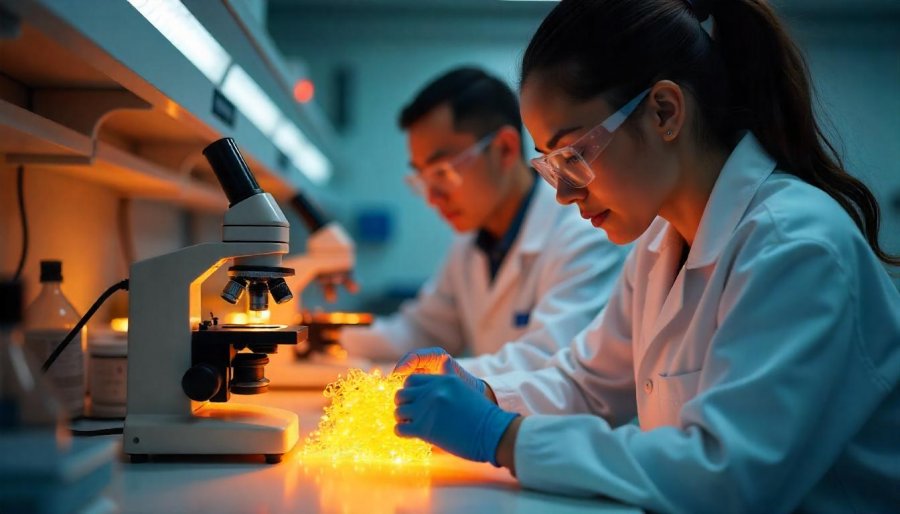
Unraveling Nylon: Its Ubiquity and Hidden Environmental Toll
Nylon is one of those materials woven into daily life more than most of us realize. From the clothes we wear to the carpets under our feet, and even in the fishing lines supporting outdoor adventures, nylon’s presence is everywhere. Its durability, elasticity, and affordability have made it a go-to choice across industries, often without much thought about where it comes from or what it means for the environment. We rely on it because it works—strong, lightweight, and resistant to wear—yet the story behind its creation is less visible but equally impactful.
What makes nylon so appealing is precisely what makes it complex: its chemical makeup and manufacturing process. Unlike natural fibers like cotton or wool, nylon is a synthetic fiber produced through a series of chemical reactions starting with non-renewable resources—mainly oil and natural gas. These fossil fuels are transformed into basic chemicals such as benzene, hexamethylenediamine, and adipic acid, which then undergo polymerization to form nylon’s long molecular chains. This process results in a versatile material that’s not only resilient but also highly adaptable for countless uses, from clothing to industrial components.
Creating nylon is energy-intensive and deeply tied to the continued extraction of finite resources. The initial step—drilling for crude oil or natural gas—often leads to habitat disruption, water contamination, and air pollution. Once extracted, these raw materials are refined into chemicals through high-temperature reactions that demand significant energy input, usually derived from fossil fuels. The chemical reactions involved in polymerization, which link small molecules into long, durable chains, further consume energy and produce hazardous waste. This reliance on non-renewable resources and high energy use connects nylon production to broader environmental issues like climate change and resource depletion.
The structure of nylon itself contributes to its environmental footprint. As a polyamide, its long molecular chains give it strength and elasticity, making it highly resistant to decay. This durability is a double-edged sword: while it’s great for longevity in products, it means nylon doesn’t easily break down in landfills. Instead, it fragments into tiny microplastics over time—microfibers shed during washing or when products degrade. These microplastics often escape filtration systems, ending up in oceans and lakes, where they are ingested by marine life. Once ingested, they can accumulate in the food chain, posing risks to both wildlife and human health.
Washing nylon clothes is a significant source of microplastic pollution. Every time we launder these garments, tiny fibers are released into wastewater. Many treatment plants can’t filter out all these microfibers, so they eventually end up in waterways. Marine animals mistake these fibers for food, ingesting them and suffering internal injuries or blockages. As these particles move up the food chain, they become a concern not only for ecosystems but also for people who consume seafood. This ongoing cycle of pollution is a direct consequence of nylon’s resilience and the way it persists long after we discard it.
Beyond microplastics, the chemical footprint of nylon manufacturing adds to its environmental toll. The production process involves hazardous chemicals like solvents and acids, which can contaminate soil and water if not managed properly. Industrial spills, leaks, and improper waste disposal can cause long-lasting pollution, harming ecosystems and communities nearby. These chemicals often linger in the environment, affecting reproductive health in aquatic species and contaminating drinking water sources. The combination of chemical pollution and microplastic debris paints a clear picture of nylon’s hidden environmental cost, revealing a complex web of consequences tied to a material we often take for granted.
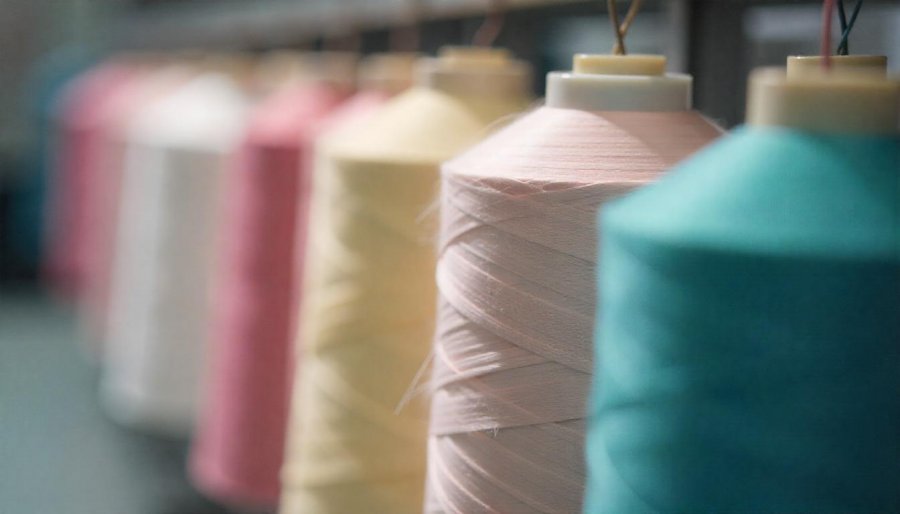
Nylon Demystified: From Petrochemicals to Persistent Pollutants
Nylon is a synthetic fiber that plays a major role in our daily lives, yet many of us don’t fully understand how it’s made or the environmental implications tied to its production. Unlike natural fibers such as cotton or wool, nylon is created through complex chemical reactions that start with non-renewable resources—primarily oil and natural gas. These fossil fuels are processed into basic chemicals like benzene, hexamethylenediamine, and adipic acid, which serve as the building blocks for nylon. The transformation from raw petrochemicals into fibers involves a series of reactions—most notably polymerization—that link small molecules into long, durable chains. This process results in a versatile material that is lightweight, strong, and elastic—qualities that make nylon highly desirable in textiles, industrial applications, and consumer products alike.
Creating nylon is an energy-intensive process that relies heavily on fossil fuels, making its environmental footprint significant. The initial stage—extraction of crude oil or natural gas—often causes habitat disruption, water contamination, and air pollution. Once extracted, these raw materials are refined into chemicals through high-temperature reactions that demand large amounts of energy, typically derived from fossil fuels. The subsequent polymerization reactions, which link these chemicals into long chains, further consume energy and generate hazardous waste. This reliance on non-renewable resources and intensive energy use ties nylon’s production directly to climate change, resource depletion, and pollution concerns.
The chemical structure of nylon, classified as a polyamide, consists of long molecular chains linked by amide bonds. These chains confer strength, elasticity, and resistance to wear, which are the main reasons nylon became so popular. The manufacturing process involves melting nylon resin and extruding it into fibers or pellets, which are then woven into fabrics or molded into plastic components. Because nylon’s synthetic nature makes it resistant to natural decay, products made from it can last for decades. However, this durability also means that nylon doesn’t easily break down once discarded, leading to long-term environmental persistence.
The resilience of nylon in the environment is a double-edged sword. Its resistance to degradation means that discarded nylon products, whether in landfills or the wild, can persist for hundreds of years. Over time, mechanical stress and weathering fragment these materials into microplastics—tiny fibers that are nearly impossible to recover or clean up. During washing, microfibers shed from clothing and other nylon items are released into wastewater, many of which escape filtration systems and flow into oceans and lakes. These microplastics are mistaken for food by marine animals, entering the food chain and posing risks to ecosystems and human health.
Washing nylon garments contributes significantly to microplastic pollution. Every laundry cycle releases countless tiny fibers into water systems, and despite improvements in filtration technology, many microfibers still escape into waterways. Marine creatures ingest these fibers, which can cause internal injuries, reproductive issues, and even death. As microplastics accumulate in marine environments, they threaten biodiversity and disrupt delicate ecological balances. When humans consume seafood contaminated with microplastics, the pollutants can bioaccumulate, raising concerns about health risks and the safety of our food supply.
Beyond microplastics, the chemical footprint of nylon production adds to its environmental toll. The manufacturing process involves hazardous chemicals such as solvents, acids, and other reagents that, if improperly managed, can contaminate soil and water sources. Industrial spills, leaks, and waste disposal mishaps release these chemicals into the environment, affecting nearby communities and ecosystems. These pollutants can persist for years, harming aquatic life, contaminating drinking water, and contributing to long-term ecological damage. The combination of chemical pollution and persistent microplastics underscores the complex and often hidden costs of nylon’s widespread use.
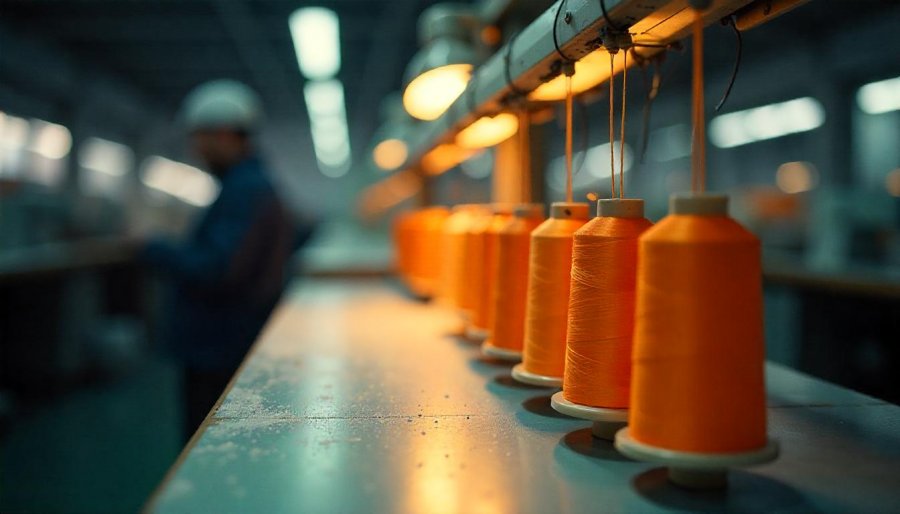
The Environmental Crisis of Nylon: Pollution, Microplastics, and Ecosystem Damage
Nylon’s environmental footprint is both broad and deeply concerning, touching on some of the most urgent ecological issues of our time. Its production is heavily reliant on fossil fuels, meaning that every stage—from extracting crude oil and natural gas to refining chemicals—contributes significantly to greenhouse gas emissions. These emissions trap heat in the atmosphere, fueling climate change, which leads to rising sea levels, intensified storms, and disrupted ecosystems worldwide. The energy-intensive nature of nylon manufacturing, powered predominantly by fossil fuels, makes its carbon footprint especially substantial, linking its lifecycle directly to global warming.
Beyond greenhouse gases, the chemical processes involved in creating nylon produce hazardous waste that can contaminate soil, water, and air if not carefully managed. During production, toxic chemicals such as solvents, acids, and other reagents are used extensively. When spills or improper waste disposal occur, these substances can seep into surrounding environments, poisoning ecosystems and threatening nearby communities. Chemical runoff can cause reproductive failures in aquatic species, disrupt food chains, and contaminate drinking water sources, creating long-lasting environmental and public health challenges.
The durability of nylon, while advantageous for product longevity, becomes a major environmental problem once these products are discarded. Unlike biodegradable natural fibers, nylon resists natural decay, allowing it to persist in landfills for hundreds of years. Over time, physical weathering fragments nylon into microplastics—tiny fibers that are nearly impossible to recover or clean up. Every wash releases thousands of these microfibers into wastewater systems, many of which bypass filtration and flow into oceans, lakes, and rivers. This constant shedding turns nylon into a persistent pollutant, contributing to the global microplastic crisis.
Once in marine environments, microplastics pose a severe threat to biodiversity. Small marine creatures like plankton mistake these fibers for food, ingesting them and suffering internal injuries or reproductive issues. As larger animals consume contaminated prey, microplastics bioaccumulate, traveling up the food chain and ultimately reaching humans through seafood consumption. These tiny particles can carry toxic chemicals that attach to plastic surfaces, introducing harmful substances into the tissues of marine life and, eventually, our own bodies.
Washing nylon garments plays a surprisingly significant role in this cycle of pollution. Despite advances in microfiber filtration technology, many fibers still escape during laundering. These microfibers enter wastewater, and because most treatment plants are not equipped to fully filter them out, they end up in waterways. Marine animals ingest these fibers, which can cause internal injuries, reduce reproductive capacity, and lead to death. The ongoing release of microplastics from everyday laundry contributes to the persistent contamination of oceans and freshwater systems, threatening the health of ecosystems and the stability of marine populations.
The chemical footprint of nylon production further amplifies its environmental toll. The entire process involves hazardous chemicals that, if improperly handled or disposed of, can contaminate local environments for decades. Industrial spills, leaks, and waste disposal issues release solvents, acids, and other toxic substances into soil and water, harming aquatic life and impacting communities. These chemicals tend to linger, causing reproductive failures and genetic damage in marine species, and contaminating drinking water supplies. This dual burden of chemical pollution and microplastic debris underscores the complex and often hidden costs of nylon, revealing a web of environmental degradation that extends far beyond the factory floor.