Learning to ride a bike is a pivotal rite of passage that balances courage with family bonds, sparking questions: does the thrill of independence outweigh the fear of falling? This heartfelt journey explores how kids confront their fears, stumble, and persevere—with family support transforming setbacks into milestones of growth. It’s more than mastering balance; it’s about building resilience, confidence, and a sense of autonomy. As children wobble and tumble, they learn to trust themselves, discovering that setbacks are merely steps toward mastery. The process fosters essential life skills—safety awareness, environmental responsibility, social engagement—and nurtures emotional strength. But underlying it all is a profound question: can facing fears with patience and reassurance turn trepidation into triumph? This journey of pedal-powered freedom reveals that, with love and support, every fall becomes a foundation for lifelong confidence and the courage to explore new horizons.
A Milestone of Courage and Family Bonds
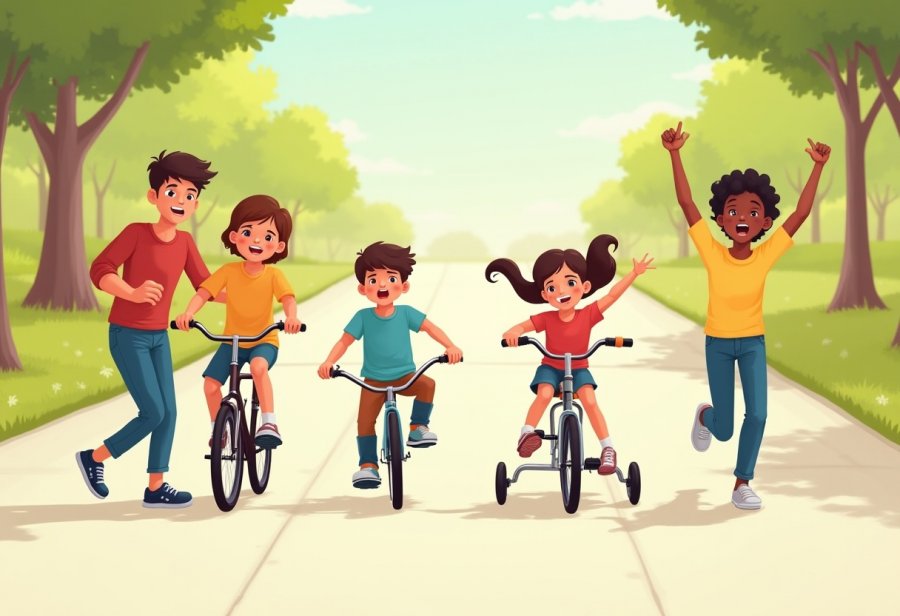
Learning to ride a bike is more than just picking up a new skill; it’s a milestone filled with meaning for both children and their families. It marks a moment when independence begins to take shape, and confidence starts to grow. For kids, that first wobble on two wheels can feel like stepping into a brand new world—one where they start trusting their abilities and confronting their fears. For parents, it’s a shared journey of patience, encouragement, and pride, strengthening bonds as everyone works together through the ups and downs of learning.
This process isn’t only about physical coordination; it’s about emotional growth too. Kids learn to balance, pedal, and steer, facing small setbacks that test their resilience. Parents and caregivers play a crucial role, providing reassurance and steady guidance without rushing the process. Their presence turns what could be a daunting challenge into a safe space where children feel supported to try, fall, and get back up again. Those moments of persistence and small victories build not just motor skills, but also trust and self-belief.
As children gradually gain control, their confidence blossoms. The thrill of riding independently for the first time becomes a powerful symbol of achievement. Each successful ride—no matter how short—reinforces the idea that they can conquer fears and navigate new challenges. These early experiences lay the groundwork for a lifelong love of movement, exploration, and independence. They also deepen family bonds, turning learning into a shared adventure filled with laughter, cheers, and memorable moments.
Ultimately, learning to ride a bike is a journey that symbolizes more than just physical skill. It’s about facing fears with courage, supported by those who believe in you. The process teaches kids that setbacks aren’t failures—they’re part of growth. Every wobble, fall, and push forward becomes a step toward resilience and confidence. And as they pedal away on their own for the first time, they’re not just riding—they’re stepping into a world of possibilities, backed by love and support that gives them the courage to keep moving forward.
Step by Step: The Path to Riding Freedom
Learning to ride a bike unfolds through a series of manageable steps that gradually build confidence and skill. It often begins with choosing the right bike—one that fits comfortably and feels manageable for the child’s size. Safety gear like helmets and pads become essential early on, providing reassurance as kids start to experiment. The first challenge is mastering balance, which many parents help with by using training wheels or holding the bike steady. This support allows children to focus on staying upright without the immediate fear of falling, creating a safe environment for practice.
Once balance feels more natural, attention shifts to pedaling and steering. Kids learn how to push the pedals smoothly and control the handlebars, gaining independence over their movements. Falling is common during this stage, but each tumble becomes a valuable lesson in resilience. Encouragement from family transforms setbacks into motivation, reinforcing that mistakes are part of the learning process. With consistent practice, children start riding more confidently, experiencing the thrill of moving forward on their own.
Reaching the moment when they pedal without assistance—often just for a few meters—becomes a milestone. That first independent ride sparks pride and excitement, as kids realize they’re capable and brave. Watching their progress from shaky starts to steady riding boosts their confidence and fuels their desire to explore further. Every small victory, like balancing briefly or riding a longer stretch, adds to their sense of achievement and independence.
Family support remains vital throughout this journey. Cheerful encouragement, gentle guidance, and shared excitement turn learning into a positive experience. Celebrating each step, whether wobbling or gliding smoothly, helps kids see mistakes as normal parts of growth rather than failures. This shared effort fosters trust and makes the process enjoyable, keeping motivation high. Over weeks or even months, patience and positivity are key—every effort, no matter how small, builds resilience and self-trust.
As children take each step forward, they’re not just learning to balance on two wheels but also developing important life skills like perseverance and self-confidence. The process teaches them that persistence pays off and that setbacks are just opportunities to grow. With each ride, they learn that facing fears can lead to new freedoms—an experience that shapes their approach to future challenges. Ultimately, mastering the bike becomes more than a skill; it’s a foundation for resilience and independence they carry into many areas of life.
Fear’s Role in Shaping Confidence and Independence
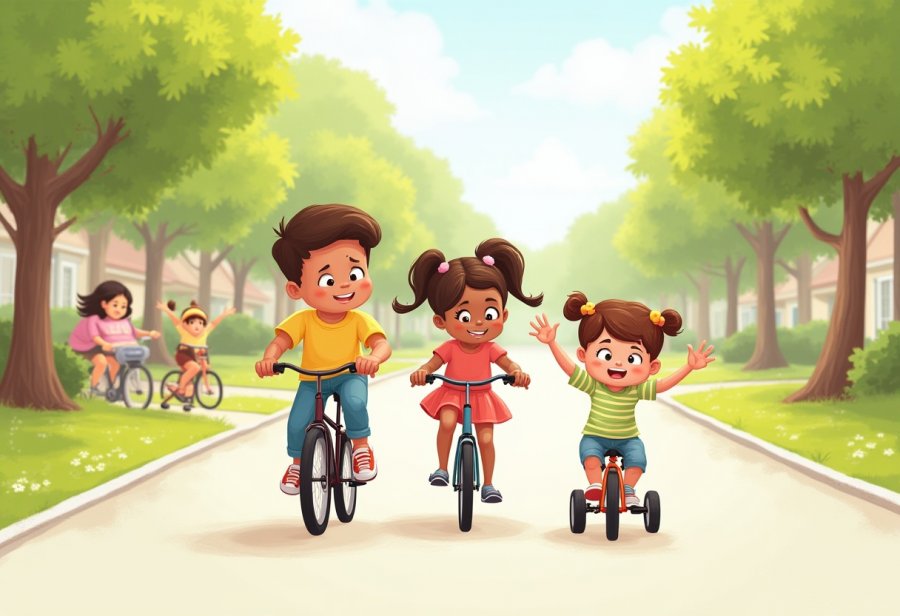
Fear plays a pivotal role in shaping a child’s confidence as they learn to ride a bike. It often originates from a natural instinct to avoid falls and injuries, making the idea of balancing on two wheels seem daunting from the start. This apprehension isn’t fleeting; it can become a significant obstacle, slowing progress and dampening enthusiasm. When children feel overwhelmed by the possibility of falling, they might hesitate or even give up altogether. Recognizing this fear as a normal part of growth is essential for adults, because how it’s handled can either hinder or foster their development.
This fear can be powerful enough to shake a child’s belief in their abilities, especially after wobbling or stumbling. Many interpret these mishaps as failures or dangers, which can heighten hesitation. Since children are still learning to assess risks, their heightened sensitivity to potential harm often leads to avoidance. This cycle of fear and avoidance can make the journey toward independence feel like an uphill climb, discouraging further effort. But fear isn’t just a barrier; it signals that children are pushing their boundaries.
When approached with patience and reassurance, those feelings of fear can be transformed into stepping stones. Celebrating small wins—like balancing briefly or pedaling a few meters—helps children see that they are capable of handling the challenge. These moments of success build trust in themselves and gradually reduce anxiety. It’s crucial for adults to acknowledge fears without dismissing them, creating a supportive environment where children feel safe to try, fall, and try again.
Building confidence involves normalizing setbacks and emphasizing progress. When caregivers highlight that falls are part of learning, children become more willing to face their fears. Gentle encouragement and reassurance turn mistakes into opportunities for growth, fostering resilience rather than frustration. Repeated positive experiences reinforce the idea that falling isn’t failure but a normal step in mastering the skill. This perspective helps children see challenges as manageable, not insurmountable.
Conquering fear also deepens a child’s sense of independence. As they learn to manage their worries and recover from setbacks, they develop trust in their own judgment and strength. Each small victory—whether balancing on two wheels or riding a little farther—solidifies their belief that they can face future challenges. This emotional resilience, built in the context of bike riding, extends far beyond the driveway and into other areas of life.
Fear, in this process, isn’t a sign of weakness but a natural response to new challenges. The key is how adults support children through those feelings. By providing gentle guidance, celebrating progress, and normalizing setbacks, they help children see that facing fears is part of growing up. With each ride, children learn that courage is built one fall, one pedal, and one reassurance at a time. The journey to independence becomes not just about riding a bike, but about learning how to trust themselves and embrace life’s uncertainties.
Beyond Balance: Real-World Benefits of Riding Skills
Learning to ride a bike extends well beyond mastering balance and coordination; it opens doors to a wide range of practical, real-world benefits that shape a child’s development and daily life. One of the most immediate is increased independence. Being able to hop on a bike and explore the neighborhood transforms routine errands or visits into opportunities for self-reliance, reducing reliance on parents and fostering confidence in navigating the world around them. This newfound mobility encourages kids to be more active and engaged, turning outdoor exploration into a natural, enjoyable part of their routine.
Cycling also plays a key role in teaching essential safety skills. Kids learn to obey traffic signals, signal their intentions, and stay aware of their surroundings—all critical lessons that extend into other areas of their lives. These skills promote a sense of responsibility and situational awareness, empowering children to make safer choices and develop good habits that last a lifetime. As they become more confident on their bikes, they develop a broader understanding of personal safety and the importance of respecting rules, both on and off the road.
Beyond safety, riding a bike fosters a healthy lifestyle. Kids who learn to cycle early are more likely to see physical activity as fun rather than a chore, making exercise an appealing part of their daily routine. Whether riding to school, to the park, or around the block, cycling helps build strength, balance, and endurance—all while providing the joy of movement. These positive associations with activity can set the stage for lifelong habits that support physical well-being and overall fitness.
Environmental awareness is another significant benefit. When children learn that they can rely on bikes for short trips instead of cars, they start to see transportation as a sustainable choice. This early understanding of eco-friendly habits can influence family routines, encouraging greener lifestyles that reduce emissions and traffic congestion. As kids grow, this mindset can evolve into broader environmental responsibility, making cycling not just a skill but a way of thinking that benefits the planet.
Finally, riding a bike creates rich opportunities for social engagement. Participating in group rides, bike clubs, or community events fosters a sense of belonging and encourages positive social interactions. These shared experiences build friendships, teach teamwork, and promote safety awareness among young riders. As children master their bikes, they gain not only a skill but also confidence in social settings, learning that perseverance and cooperation open doors to new friendships and adventures. In this way, cycling becomes a powerful tool for personal growth, community connection, and lifelong health.
Balancing Fear and Joy on the Journey to Independence
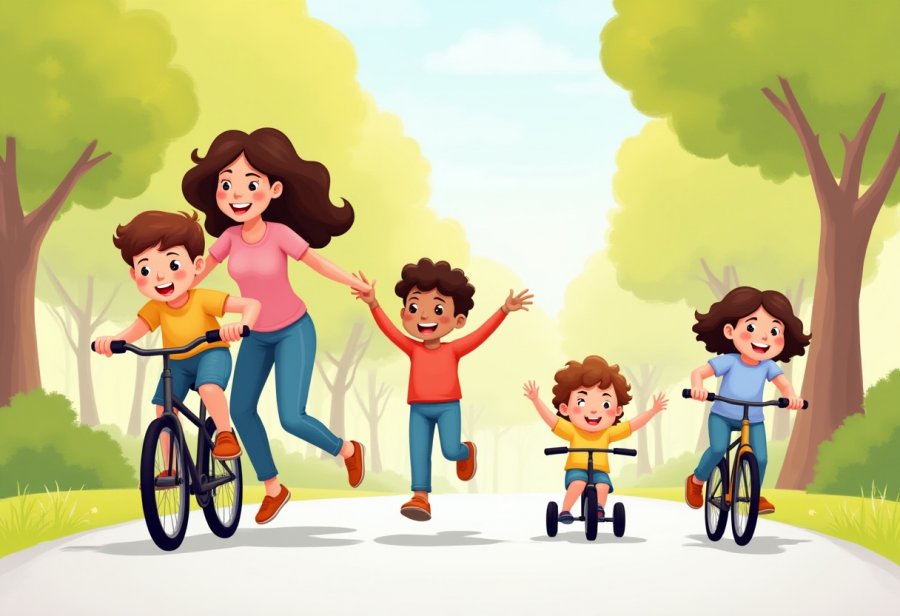
Learning to ride a bike is more than just a childhood milestone; it’s a powerful lesson in balancing fear with the thrill of independence. The early days often bring a mix of excitement and anxiety—fears of falling, losing control, or not being good enough. These feelings are natural, but how they’re managed makes all the difference. When supported with patience and reassurance, children learn that fear is not an obstacle but a sign they’re pushing their boundaries.
Every wobble and tumble becomes a stepping stone rather than a setback. Celebrating small wins—like balancing briefly or pedaling a few meters—helps children see their own potential. These moments of success build confidence and reinforce that setbacks are just part of the journey toward mastery. As kids gradually gain control, they discover that the act of riding is not just about physical skill but about trusting themselves to handle new challenges.
Support from family and caregivers transforms this process into a shared experience of growth. Cheerful encouragement, gentle guidance, and shared laughter turn frustration into motivation. These moments foster trust and deepen bonds, showing children that they are not alone in their struggles. Over time, they internalize that facing fears and persevering leads to independence and a sense of achievement.
The balance between fear and joy is delicate but vital. Facing their worries head-on helps children develop resilience—an emotional strength that extends beyond the bike. Each successful ride or brave attempt reinforces their belief in their abilities. They learn that courage isn’t the absence of fear but the willingness to move forward despite it. This understanding transforms a simple skill into a foundation for lifelong confidence.
The journey of learning to ride embodies a broader truth: growth often involves discomfort, but it is worth every wobble and fall. When children are supported in managing their fears, they learn that setbacks are temporary and that persistence leads to freedom. The thrill of independence—riding on their own, exploring new places—becomes even sweeter when built on this resilience.
Finally, this experience teaches a universal lesson: facing fears with support and patience results in stronger, more confident individuals. The courage children develop on two wheels becomes a symbol of their ability to navigate life’s uncertainties. As they pedal into the unknown, they carry with them the confidence that every fall is just a step toward something greater—a world of possibilities waiting to be explored.