Transforming Toronto yards into captivating outdoor retreats involves more than just aesthetic choices—it’s about harmonizing beauty, sustainability, and client satisfaction amid the city’s unique climate challenges. How can homeowners craft resilient, eco-friendly landscapes that thrive through harsh winters and humid summers? This guide explores the core principles of sustainable design, emphasizing native plants, eco-conscious materials, and innovative features like smart irrigation, solar lighting, and modular outdoor living spaces. The process demands meticulous planning, clear communication, and site-specific strategies such as proper drainage and soil management to ensure long-lasting beauty and functionality. As technology advances and ecological awareness deepens, Toronto’s landscape designers and homeowners are poised to create outdoor environments that are not only visually stunning but also environmentally responsible and adaptable to future challenges. Could these evolving practices redefine urban gardening, turning every yard into a resilient sanctuary?
Transform Your Toronto Outdoor Space with Expert Landscaping
Looking to elevate your Toronto backyard? Toronto Landscape & Design (TLD) offers exceptional services including natural stone installations, water gardens, irrigation systems, and retaining walls to create your dream outdoor space. Our award-winning designers take everything into consideration, ensuring a personalized and stunning transformation. Whether you desire a tranquil water feature or durable retaining walls, TLD has the expertise to bring your vision to life. Reach out today via email at [email protected] or call 1.416.644.0499 to discuss your backyard makeover and make your outdoor space the envy of Toronto.
Transform Your Toronto Backyard into a Personal Sanctuary
Transforming a backyard in Toronto into a stunning outdoor retreat is about more than just planting a few flowers or laying down pavers. It’s about creating a space that elevates everyday living, reflects personal style, and works with the city’s unique climate. A well-designed yard becomes a personal sanctuary—perfect for relaxing, entertaining, or simply connecting with nature—while also boosting the property’s overall value.
Toronto’s weather plays a big role in shaping these outdoor spaces. Winters bring frost and snow, so selecting durable materials and hardy plants that can withstand the cold is essential. Summers are warm and humid, which calls for drought-tolerant native plants that require less upkeep. Understanding these conditions helps designers choose elements that remain inviting and functional year-round, no matter the season.
Creating an impressive outdoor retreat involves balancing beauty with sustainability. Homeowners want spaces that look great but don’t harm the environment or demand excessive maintenance. Eco-friendly materials, native plants, and water-efficient systems are key. When these choices are integrated thoughtfully, they produce landscapes that are resilient, low-maintenance, and visually captivating—spaces that support both the environment and everyday life.
Getting from concept to reality requires clear communication and careful planning. Collaborating closely with clients ensures that their vision aligns with practical considerations like site conditions and budget. Proper site preparation, such as effective drainage and soil management, helps prevent issues like erosion and water runoff. These foundational steps are crucial for creating a landscape that remains beautiful and functional through Toronto’s changing seasons.
Ultimately, the goal is to craft outdoor spaces that feel personal, durable, and in harmony with their surroundings. When executed with care and attention to detail, backyard transformations become more than just aesthetic improvements—they turn into lasting retreats that enrich daily living and offer a true sense of escape, no matter what the weather brings.
Fundamental Principles for Sustainable Landscape Design
Creating an eco-friendly and durable outdoor space starts with understanding core landscape design principles that foster sustainability. Achieving harmony among plants, hardscaping, and structures is key. Rather than aiming for perfect symmetry, a natural, organic arrangement often feels more inviting and less cluttered. Thoughtfully balancing these elements creates a cohesive landscape where each component supports the whole, resulting in a space that’s both beautiful and resilient.
Focal points are essential for anchoring the design and guiding the eye. A prominent tree, a water feature, or a sculpture can serve as visual anchors, adding character and purpose to the yard. When placed strategically, these features draw attention and help visitors navigate the space effortlessly. They foster a sense of intentionality, making even modest yards feel curated and thoughtfully designed.
Prioritizing native plants and eco-conscious materials enhances both aesthetics and environmental health. Native species are adapted to Toronto’s climate, requiring less water, fertilizer, and pest control, which reduces maintenance and chemical runoff. Using recycled or biodegradable materials—like permeable pavers, reclaimed wood, and natural mulches—further minimizes environmental impact while adding texture and character. These choices support local ecosystems and promote longevity, ensuring the landscape remains sustainable over time.
Listening closely to homeowner preferences is vital. Whether a client desires a lush garden or a sleek, modern patio, guiding them toward eco-friendly options aligns their aesthetic goals with sustainability. Recommending native flowering plants for vibrant color or drought-tolerant grasses for low-water needs ensures the design reflects their vision while supporting ecological balance. This collaborative approach results in a space that’s both personal and environmentally responsible.
Implementing these principles requires site-specific considerations like soil health, drainage, and terrain. Proper grading, soil enrichment, and strategic placement of plants prevent erosion and water runoff, boosting landscape stability. Incorporating features like rain gardens and native plantings not only improves drainage but also enhances visual interest. Regular soil testing, organic fertilization, and smart irrigation further support a healthy, resilient yard that withstands Toronto’s seasonal extremes. These practices ensure sustainability isn’t just a concept but a daily reality in the landscape’s ongoing care.
Innovative Features and Practical Enhancements for Modern Outdoor Retreats
Modern outdoor retreats in Toronto are increasingly shaped by innovative features and practical enhancements that seamlessly blend technology with eco-conscious design. Smart lighting systems, for example, can be programmed to adjust their brightness based on the time of day or occupancy, creating inviting atmospheres while conserving energy. Automated irrigation equipped with moisture and rain sensors ensures watering occurs only when necessary, supporting drought-tolerant native plants and reducing waste. These tech-driven solutions simplify maintenance and help keep landscapes vibrant and sustainable year-round.
Sustainable materials also play a pivotal role in elevating outdoor spaces. Recycled composite decking offers a weather-resistant, low-maintenance alternative to traditional wood, while permeable pavers allow rainwater to seep into the ground naturally, helping to manage stormwater and prevent runoff. Using locally sourced or biodegradable materials for pathways, furniture, and hardscaping minimizes environmental impact and adds durability and character to the landscape. These choices support eco-friendly practices while enhancing visual appeal and longevity.
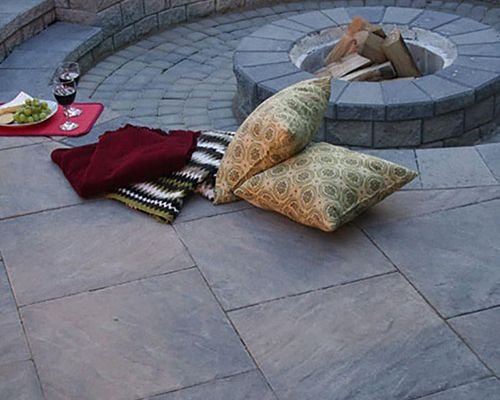
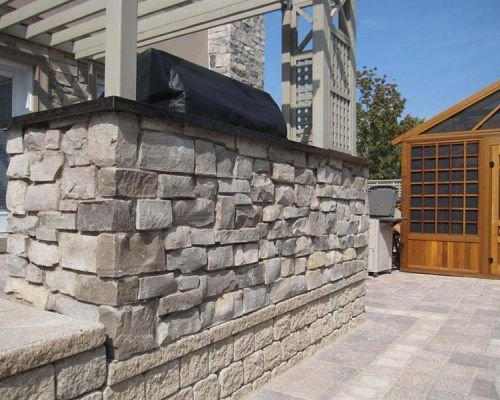
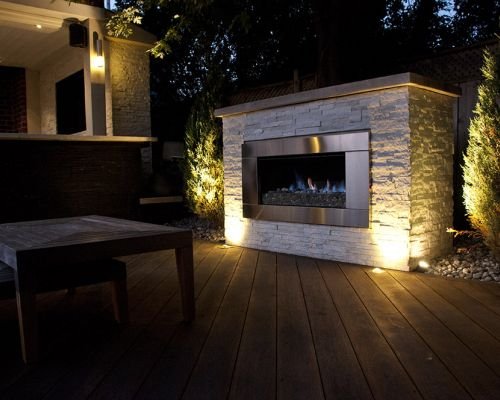
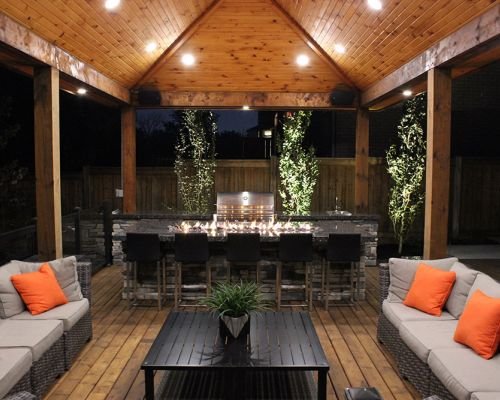
Creative elements like outdoor kitchens, fire pits, and modular furniture further transform Toronto yards into functional social hubs. An outdoor kitchen built with sustainable materials turns a backyard into a year-round gathering spot, while eco-friendly fire pits provide warmth and ambiance without excessive emissions, encouraging longer outdoor stays. Modular furniture offers flexibility, allowing homeowners to reconfigure their outdoor spaces for different occasions, making the yard adaptable and inviting. These features foster more outdoor living and make the space an extension of the home’s comfort and style.
Lighting design benefits from innovation as well. Solar-powered LED lights integrated into pathways or garden beds add a subtle glow after sunset, relying entirely on renewable energy. Smart lighting systems can be synchronized with outdoor speakers or security devices, creating a cohesive environment that’s both functional and aesthetically pleasing. Thoughtful lighting enhances landscape features, improves safety, and extends usability into the evening hours, encouraging more outdoor enjoyment.
Incorporating these modern features results in outdoor retreats that are as beautiful as they are practical. Natural textures, layered plantings, and subtle illumination create inviting atmospheres, while innovative technology elevates convenience and sustainability. By thoughtfully integrating these elements, Toronto homeowners can craft outdoor spaces that enhance their lifestyle, support the environment, and adapt to seasonal changes, turning simple yards into vibrant, resilient escapes.
These enhancements also support ongoing landscape management. Smart irrigation, energy-efficient lighting, and durable, eco-friendly materials reduce the need for intensive upkeep and chemical inputs. They promote a healthier environment while maintaining the aesthetic and functional integrity of the yard over time. As technology advances, these features will become even more accessible and integrated, making sustainable outdoor living a standard part of Toronto’s urban landscape.
The key is to balance innovation with practicality—choosing features that complement each other and serve the homeowner’s needs without overwhelming the space. When integrated seamlessly, these elements create a cohesive environment that feels both modern and timeless. The result is a backyard that not only looks stunning but also performs reliably and sustainably, offering a true outdoor retreat that enriches daily life and respects the planet.
Turning Design Ideas into Practical, Lasting Results
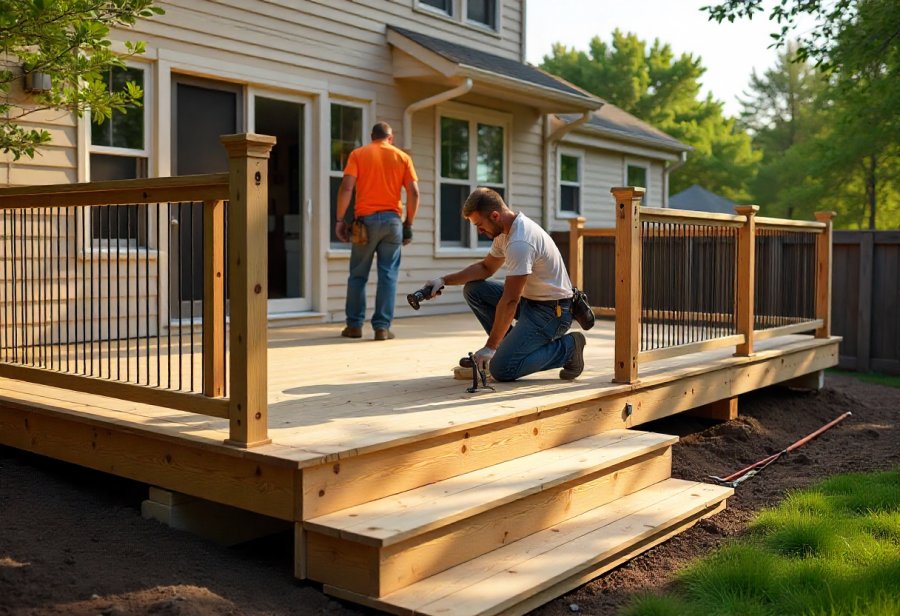
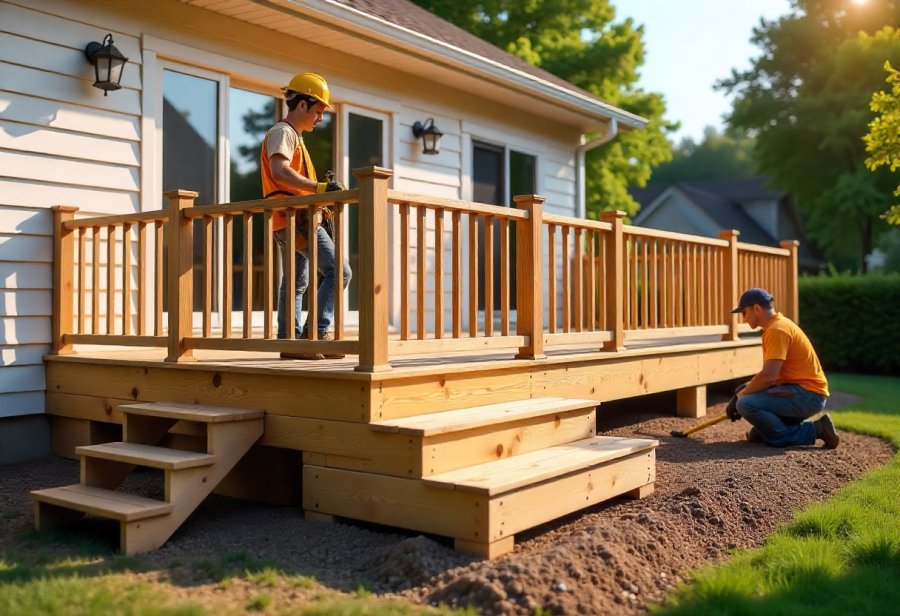
Turning design visions into lasting outdoor realities requires careful planning and execution tailored to Toronto’s climate. Choosing materials that withstand cold winters and humid summers is essential—frost-resistant pavers, native plants adapted to local conditions, and durable hardscaping options ensure the landscape remains vibrant and functional for years. Proper site preparation, including effective drainage systems and soil management, prevents issues like erosion and water runoff that can undermine the integrity of the yard.
Clear communication between designers, contractors, and homeowners makes all the difference. When expectations, budgets, and timelines are aligned from the start, the process flows smoothly. Regular updates and involving clients in key decisions reduce misunderstandings and lead to a final result that truly reflects their vision. This collaborative approach builds trust and results in a landscape that’s both beautiful and functional.
Site-specific considerations, such as natural terrain, soil quality, and slope, are vital for a resilient landscape. Proper grading, soil enrichment, and strategic placement of plants and hardscaping elements help prevent erosion and improve water management. Incorporating rain gardens or native plantings in key areas not only enhances landscape stability but also adds visual interest. Consistent soil testing, organic fertilization, and smart irrigation practices support ongoing plant health and landscape resilience.
Using high-quality tools and techniques ensures the longevity of the landscape. Regular maintenance routines like pruning, mulching, and soil testing keep plants vigorous. Installing smart irrigation controllers and rain sensors conserves water by watering only when necessary, supporting sustainable practices. Organic fertilizing and composting enrich the soil naturally, fostering healthy growth while minimizing chemical use. These ongoing efforts extend the life of the yard and reinforce its eco-friendly foundation.
Maintaining a landscape isn’t a one-time task but an ongoing process. As conditions change, small adjustments—such as replacing overgrown plants or refining watering schedules—keep the yard looking its best. Regular inspections and timely responses to emerging issues prevent problems from escalating, ensuring the space remains both beautiful and practical year after year. A proactive approach transforms a well-designed yard into a resilient outdoor retreat that continues to delight and serve its owners through Toronto’s seasons.
The Future of Eco-Friendly Outdoor Living in Toronto
Looking ahead, the future of sustainable outdoor design in Toronto promises exciting innovations that will make eco-friendly landscapes even more accessible and easier to maintain. Advances in smart technology, such as climate-responsive irrigation systems and solar-powered lighting, are set to become standard features, helping homeowners reduce their environmental footprint effortlessly. New plant varieties resistant to Toronto’s seasonal extremes will continue to emerge, offering more resilient options that require fewer resources and chemicals. These developments will support landscapes that adapt seamlessly to changing weather patterns while maintaining beauty and functionality.
As awareness of ecological issues deepens, both homeowners and designers are placing greater emphasis on biodiversity, water conservation, and resilience. Biophilic design principles will become central, encouraging landscapes that foster mental well-being and support local ecosystems. Native plants, natural textures, and organic shapes will help create holistic environments where yards become extensions of the natural world, nurturing both people and the planet. This shift will inspire more thoughtful, sustainable choices that prioritize environmental health alongside aesthetic appeal.
However, challenges remain. Balancing ecological responsibility with affordability can be complex, especially as eco-friendly materials and native plants often carry higher initial costs. Climate variability demands continuous adaptation and innovation, making ongoing research into resilient species and sustainable practices vital. Long-term data on the ecological impact of new techniques will be essential to refine standards and ensure that these landscapes deliver lasting benefits without hidden trade-offs.
The success of this evolving landscape depends heavily on education and collaboration. Professionals and homeowners must stay informed about emerging technologies and best practices, sharing insights to push the boundaries of sustainable design. Supporting local ecosystems through native plantings and eco-conscious materials will remain a core focus, aligning aesthetic goals with environmental stewardship. Together, Toronto’s landscape community can lead the way toward greener, healthier outdoor spaces that serve future generations.
Transforming yards into eco-friendly retreats is more than a trend; it’s part of a broader movement toward sustainable urban living. By embracing innovation, staying adaptable, and using resources mindfully, Toronto’s outdoor spaces can become vibrant, resilient sanctuaries. These yards will not only enhance daily life but also contribute positively to the city’s ecological health, creating a legacy of thoughtful, sustainable design that benefits both people and the environment for years to come.