In today’s competitive landscape, customized telephony solutions are transforming how businesses communicate—are you tapping into their full potential? Traditional phone systems often fall short of meeting unique operational needs, creating inefficiencies and customer frustration. Fortunately, innovative devices like Grandstream’s IP phones, supported by cloud platforms such as GDMS, enable seamless deployment, centralized management, and real-time adjustments across multiple locations. These systems offer tailored features like auto-attendants, programmable keys, and high-definition audio that streamline workflows, enhance caller experiences, and boost productivity. As telephony technology evolves with AI, IoT integration, and cloud scalability, organizations face exciting opportunities—and challenges—in safeguarding data and managing complexity. Will your business adapt to these rapid innovations and turn communication into a strategic advantage? Embracing these advanced, flexible solutions promises increased responsiveness, operational agility, and long-term growth in a connected world.
Enhance Your Business Communications with FiberConX’s Advanced VoIP Solutions
Discover the power of reliable VoIP business and residential phone services with FiberConX Communications in Canada. Our solutions include features like voicemail, IVR, Ring Groups, and voicemail-to-mail, ensuring seamless communication tailored to your needs. For a modern and efficient desk setup, explore the Grandstream IP Phones that integrate effortlessly with our services. Whether you’re upgrading your office or managing a large team, FiberConX offers scalable solutions designed for clarity and dependability. Contact our team today at 1.800.961.6856 or email [email protected] to learn more about how our VoIP services can transform your communication experience.
Transform Your Business Communication with Customized Telephony Solutions
In today’s fast-paced business environment, effective communication is more than just a convenience—it’s a key driver of success. Off-the-shelf phone systems often struggle to meet the unique needs of growing companies, leading to gaps in workflow and customer engagement. Customized telephony solutions step in to fill these gaps, offering tailored features like call routing, auto-attendants, and voicemail management that align precisely with a business’s specific operations. This level of personalization ensures that communication flows smoothly, reducing frustration and boosting efficiency for both employees and customers.
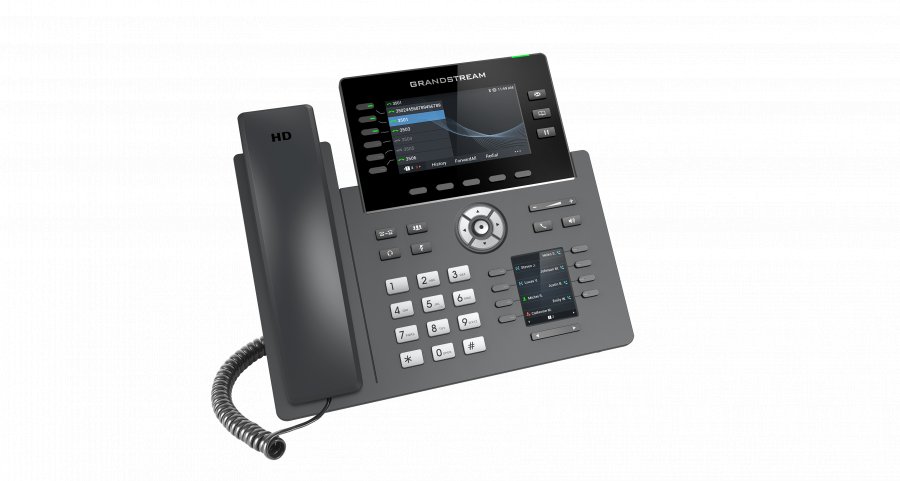
Technology has made it easier than ever to implement these personalized setups. Devices like Grandstream’s IP phones are built with scalability and flexibility in mind, supporting advanced features such as programmable keys and high-definition audio. Cloud platforms like GDMS enable administrators to configure, monitor, and update hundreds of devices from a single, intuitive dashboard. This centralized control simplifies deployment across multiple locations, minimizes manual effort, and keeps the system adaptable to evolving organizational needs.
The true power of customized telephony lies in its ability to optimize workflows. Businesses can assign specific lines to departments, automate call distribution, and craft auto-attendants that direct callers efficiently. When users leverage programmable keys and user-friendly interfaces, routine tasks become faster and less prone to error. These small but impactful adjustments create a more responsive and seamless communication experience, directly boosting productivity and customer satisfaction.
Beyond hardware, cloud management platforms facilitate ongoing adjustments and scalability. As organizations expand or shift priorities, adding new devices or modifying existing configurations becomes straightforward. This flexibility prevents communication systems from becoming outdated or overly complex, supporting long-term growth. Regular remote updates, system health checks, and security patches ensure high performance without disrupting daily operations, making customized telephony a strategic asset.
In essence, adopting tailored telephony solutions transforms communication from a basic utility into a strategic advantage. By aligning technology with specific workflows and business goals, organizations can achieve faster decision-making, improved service quality, and a more agile workplace. As these systems continue to evolve, they offer ever greater personalization and efficiency, solidifying their role as essential components of modern business infrastructure.
Unlocking the Power of Advanced Telephony Technologies
Advanced telephony systems are redefining how businesses communicate, offering a suite of features that go far beyond traditional voice calls. At their core is Voice over IP (VoIP) technology, which digitizes voice signals to travel over the internet. This shift dramatically cuts costs and provides the scalability to expand communication networks without adding physical lines. Customization plays a vital role here, enabling organizations to craft call routing, voicemail options, auto-attendants, and more to match their unique workflows and operational demands.
Devices like Grandstream’s IP phones, especially the GRP series, are designed to support these advanced features with ease. They come equipped with programmable keys, high-definition audio, and a variety of customization options that cater to different roles within a business. Cloud provisioning and centralized management platforms, such as Grandstream’s GDMS, make deploying and maintaining these devices straightforward. Administrators can configure, monitor, and update hundreds of phones remotely, ensuring consistency across locations and reducing the need for manual intervention.
Optimizing communication workflows is a key benefit of these systems. Businesses can dedicate specific lines for departments, automate call distribution, and design auto-attendants that efficiently direct callers. When IP phones feature programmable keys and user-friendly interfaces, routine tasks become quicker and less error-prone. This level of customization not only improves efficiency but also enhances the caller experience, making interactions smoother and more personalized.
Cloud management platforms further amplify these advantages by providing centralized control over all devices. Instead of configuring each phone individually, administrators manage entire networks from a single dashboard. This approach speeds up deployment, minimizes errors, and allows for real-time adjustments. Regular system health checks, firmware updates, and security patches can be applied remotely, keeping the system resilient and up-to-date without disrupting daily operations.
Network optimization is essential to support these sophisticated systems. Implementing Quality of Service (QoS) settings, using managed switches, and segmenting voice traffic from data traffic help maintain high call quality. Consistent firmware updates and ongoing monitoring prevent disruptions and ensure that the telephony infrastructure remains reliable as it scales and adapts to changing needs.
Understanding these foundational concepts in telephony innovation sets the stage for leveraging the full potential of modern communication solutions. By embracing the flexibility and power of cloud-managed, customizable systems, organizations can unlock new levels of efficiency, responsiveness, and customer satisfaction. These innovations are not just enhancing voice calls—they are transforming the way businesses connect, collaborate, and grow.

Navigating the Future of Telephony Innovation
The landscape of telephony is evolving rapidly, driven by breakthroughs in cloud technology, artificial intelligence, and IoT integration. These innovations are making communication systems smarter, more flexible, and highly personalized, enabling organizations to tailor their setups in ways that boost efficiency and enhance user experience. Companies that invest in scalable, adaptable solutions now—such as Grandstream’s IP phones and management platforms—will be better positioned to benefit from these advancements, gaining a competitive edge through more responsive and intuitive communication channels.
Moving from traditional hardware-bound systems to fully cloud-managed solutions is a key trend shaping the industry. This shift allows businesses to configure, monitor, and adjust hundreds of devices remotely and often in real time. The ability to respond swiftly to changing demands—whether scaling up during growth phases or refining call routing for better customer service—gives organizations greater agility. Devices like Grandstream’s IP phones exemplify this evolution, offering high levels of customization, seamless deployment, and integration with other tools, making the entire communication infrastructure more resilient and adaptable.
Artificial intelligence and analytics are increasingly embedded in telephony systems, transforming them into proactive hubs of activity. Features such as automated call routing, sentiment analysis, and predictive analytics enable organizations to understand their customers better and respond more effectively. This level of insight allows for more personalized interactions, fostering stronger loyalty and satisfaction. As AI continues to advance, future systems will likely incorporate voice recognition tailored to individual users and proactive service suggestions, turning telephony into a strategic asset rather than just a utility.
However, these technological leaps come with new challenges. As systems become more interconnected and reliant on the cloud, security concerns grow. Protecting sensitive data and maintaining system integrity require ongoing investment, robust cybersecurity measures, and strategic planning. Integrating new features into existing workflows can also be complex, demanding skilled IT resources and careful change management. Balancing innovation with security and usability is essential to fully capitalize on the benefits of these systems without exposing vulnerabilities.
Remaining vigilant through continual monitoring and adaptation is critical as telephony systems grow more sophisticated. Organizations need to stay informed about emerging trends and best practices, regularly updating firmware, security protocols, and staff training. This proactive approach helps ensure the communication infrastructure remains resilient, secure, and aligned with evolving business needs. By embracing ongoing improvements, companies can turn their telephony systems into dynamic tools that support growth and market responsiveness.
Looking ahead, the integration of IoT devices, enhanced AI features, and expanded cloud services promises a future where communication is even more personalized, intelligent, and responsive. These developments will enable companies to craft highly tailored, seamless experiences that adapt in real time. Early adoption of flexible solutions—like Grandstream’s offerings—will position organizations at the forefront of this digital transformation, turning communication channels into powerful drivers of innovation, efficiency, and customer engagement.
The evolution of telephony isn’t just about new features; it’s about fundamentally rethinking how businesses connect and operate. As systems become more adaptable and intelligent, they will serve as strategic assets that drive operational agility and customer loyalty. Companies that embrace these trends now will not only improve their current communication workflows but also lay the groundwork for future growth in an increasingly connected world.
By focusing on the strategic integration of advanced, customizable systems, organizations can unlock new levels of productivity and service excellence. The ongoing journey toward smarter telephony solutions underscores the importance of investing in scalable, secure, and innovative technologies. Those who do will find their communication infrastructure transforming from a necessary utility into a key competitive advantage—enhancing every customer interaction and internal process along the way.
Practical Steps to Integrate Customized Telephony Seamlessly
Implementing customized telephony solutions begins with a clear understanding of an organization’s specific communication needs. Analyzing current workflows, identifying pain points, and spotting opportunities for improvement lay the foundation for effective deployment. For instance, a retail chain might streamline customer interactions by directing calls through auto-attendants with dedicated department lines, reducing wait times and boosting satisfaction. Selecting the right hardware, such as Grandstream’s IP phones equipped with programmable keys and high-definition audio, ensures the system supports these tailored features effectively.
Once needs are defined, deploying the appropriate devices is the next step. Grandstream’s IP phones are designed for quick setup and easy configuration, making them suitable for organizations of all sizes. Cloud management platforms like GDMS allow administrators to remotely configure, monitor, and update hundreds of devices across multiple locations from a single dashboard. This centralized control accelerates deployment, minimizes errors, and guarantees consistent performance, even in large-scale setups.
Staff training is crucial for seamless adoption. When employees understand how to leverage programmable keys, auto-attendants, and other features, they can operate the system intuitively, saving time and reducing frustration. Providing clear instructions and hands-on support helps embed these tools into daily routines, transforming technological upgrades into operational advantages. Well-trained staff can maximize the benefits of customization, turning the system into a true productivity booster.
Continuous monitoring and regular system reviews keep telephony solutions aligned with evolving organizational goals. Tracking call quality, system logs, and user feedback highlights areas for refinement. Adjusting call routing rules or reprogramming keys based on usage patterns enhances efficiency and user experience. Cloud management tools facilitate quick tweaks, ensuring the system remains responsive and optimized, supporting long-term growth without disruptions.
Flexibility is vital as businesses expand or change focus. Cloud-based management platforms enable seamless scaling—adding new devices or features without interrupting existing workflows. Whether expanding to new locations or integrating additional communication channels, the system adapts effortlessly, preventing obsolescence. Regular updates, firmware upgrades, and security patches ensure the infrastructure stays resilient and future-proof, making customized telephony a strategic asset rather than a static investment.

Embracing the Future: Trends and Strategies in Telephony Excellence
The future of telephony is moving toward unprecedented levels of customization, driven by rapid advancements in cloud technology, artificial intelligence, and IoT integration. These innovations are transforming communication systems into smarter, more adaptable tools that deliver highly personalized experiences. Companies that invest early in flexible, scalable solutions—like Grandstream’s IP phones and management platforms—will be well-positioned to harness these trends and gain a competitive edge through more responsive, intuitive channels of interaction.
The shift to cloud-managed systems remains a key driver, enabling organizations to deploy, monitor, and adjust their telephony infrastructure remotely and in real time. This agility allows businesses to respond swiftly to changing demands—whether scaling operations during growth phases or fine-tuning workflows for better customer service. As these systems become more sophisticated, their management becomes easier, reducing downtime and freeing up IT resources for strategic initiatives. Investing in such adaptable infrastructure is no longer optional but essential for future-proofing business communication.
Artificial intelligence and data analytics are already making telephony smarter. Automated call routing, sentiment analysis, and predictive insights help organizations better understand and serve their customers. These features foster more personalized, meaningful interactions, which build loyalty and satisfaction. As AI capabilities expand, future systems will incorporate voice recognition tailored to individual users and proactive service recommendations, turning telephony from a basic utility into a strategic driver of growth and engagement.
However, with these technological leaps come new challenges. Increasing connectivity and reliance on the cloud raise security concerns that demand ongoing vigilance. Protecting sensitive data and maintaining system integrity require continuous investment, robust cybersecurity measures, and strategic planning. Seamless integration of new features into existing workflows also calls for skilled staff and careful change management. Balancing innovation with security and usability will be vital to unlocking the full potential of these advanced solutions.
Looking ahead, innovations like IoT integration, enhanced AI features, and expanded cloud services will make communication systems more personalized, efficient, and responsive. Businesses that start adopting these technologies now—especially through flexible platforms like Grandstream’s offerings—will be better equipped to adapt and thrive in a rapidly evolving digital landscape. These systems will become integral to operational agility, customer loyalty, and competitive advantage, turning everyday communication into a powerful strategic asset that fuels growth and innovation.